Preparing for IVF: Global Diet and Lifestyle Protocols
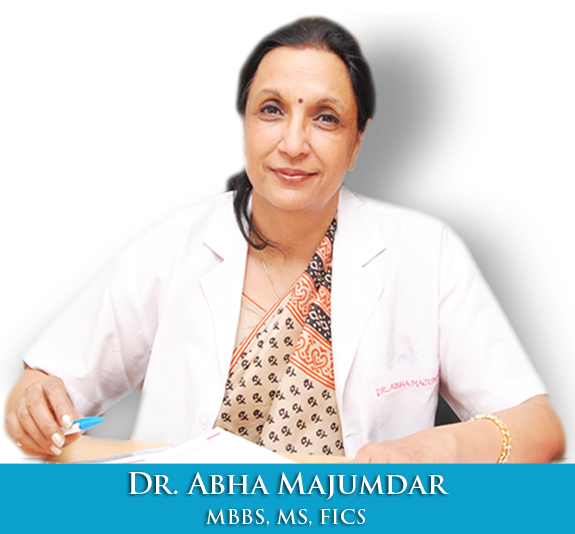
Preparing the maternal and paternal body before initiating an In Vitro Fertilization (IVF) cycle significantly impacts clinical outcomes. Because our center serves a diverse global population, our preparatory protocols address both regional nutritional habits and geographical factors. According to Prof. (Dr.) Abha Majumdar, optimizing cellular health at least 30 to 60 days before stimulation improves egg and sperm quality. This comprehensive guide outlines customized pathways for Indian and International patients at Sir Ganga Ram Hospital.
The Biological Core: Cellular Priming and Aging
An immature oocyte requires approximately 90 days to develop fully within the ovary. During this crucial maturation window, the follicle is sensitive to systemic inflammation, blood sugar spikes, and nutrient deficiencies. Therefore, early metabolic optimization improves the microenvironment of the growing egg.
Furthermore, lifestyle changes directly boost mitochondrial energy inside the oocytes. High antioxidant levels protect delicate chromosomal structures from division errors. Consequently, structured preparation directly correlates with better blastocyst development in the embryology laboratory.
Professor’s Clinical Insight: We do not enforce restrictive, stressful lifestyle rules. Instead, we customize metabolic targets based on your native lifestyle. Managing insulin levels and lowering tissue inflammation helps your ovaries respond predictably to treatment.
Customized Nutritional Pathways: Indian vs. International Diets
Achieving ideal fertility outcomes does not require changing your entire culinary heritage. Instead, we adapt the core principles of an anti-inflammatory, low-glycemic diet to fit your regional food options:
1. Protocols for Indian Patients (Vegetarian & Non-Vegetarian)
South Asian genotypes frequently exhibit insulin resistance and higher visceral fat indexes. This profile can compromise egg quality if left unmanaged. Therefore, Indian couples must shift from a heavy-carbohydrate model to a high-protein, fiber-rich structure:
- Protein Optimization: Maximize intake of sprouted lentils (moong, chana), unpolished dals, paneer, tofu, and lean organic poultry or fresh fish. Specifically, avoid heavy carbohydrate-based meals consisting entirely of white rice or refined flour (maida).
- Healthy Fats & Spices: Incorporate home-cooked meals prepared with cold-pressed oils, walnuts, and almonds. Additionally, utilize traditional anti-inflammatory spices like turmeric and ginger to lower pelvic inflammation.
- Managing Dairy Consumption: Avoid high-sugar traditional sweets or full-cream buffalo milk. Instead, opt for fresh, low-fat curd (dahi) or buttermilk, which provide excellent probiotic support for gut health.
2. Protocols for International Patients (Western & Global Options)
International patients often face highly processed commercial food supplies or high-sodium pre-packaged meals. These elements can increase systemic oxidative stress. Therefore, we emphasize a whole-food, Mediterranean lifestyle pattern:
- Clean Mediterranean Sourcing: Focus on a wide variety of colorful vegetables, fresh berries, extra virgin olive oil, avocados, and wild-caught lean fish like salmon. These components provide high baseline doses of natural antioxidants.
- Complex Carbohydrates: Replace refined white breads and commercial cereals with ancient grains. For instance, incorporate quinoa, whole oats, barley, and wild rice to keep blood glucose levels stable.
- Sourcing Plant Proteins: Utilize clean plant-based protein options, including Greek yogurt, tempeh, chia seeds, hemp seeds, and edamame, to fulfill your daily nutritional targets easily.
Comparative Nutritional Substitution Matrix
To simplify your grocery selection, this clinical matrix balances identical fertility nutrients across different regional settings:
| Target Nutrient |
Indian Dietary Sources |
International Dietary Sources |
| Omega-3 Fats |
Flaxseeds, walnuts, mustard greens, chia seeds. |
Wild salmon, avocados, extra virgin olive oil. |
| High Protein |
Sprouted dals, paneer, kala chana, egg whites. |
Greek yogurt, edamame, tempeh, organic turkey breast. |
| Antioxidants |
Amla, pomegranates, spinach, cooked tomatoes. |
Blueberries, raspberries, kale, brussels sprouts. |
Crucial Lifestyle and Toxins Management
Regulating daily physical behaviors optimizes your baseline hormones and supports your overall reproductive health:
- Maintain Moderate Exercise: Engage in low-impact activities like brisk walking, light yoga, or swimming for 30 minutes daily. Specifically, avoid extreme, high-intensity workouts during medical stimulation to prevent ovarian complications.
- Optimize Your Sleep: Prioritize 7 to 8 hours of uninterrupted night sleep. Regular sleep protects melatonin production. Melatonin acts as a vital antioxidant in follicular fluid, shielding growing eggs from damage.
- Strict Toxicant Elimination: Both partners must completely eliminate smoking, vaping, and alcohol consumption. Nicotine restricts blood flow to your ovaries, while alcohol compromises healthy cell division.
Special Logistics for International & Outstation Travel
Cross-border travel, shifting time zones, and jet lag can elevate stress hormones like cortisol, which temporarily alters reproductive baselines. Therefore, international or outstation patients should implement these protective travel protocols:
- Acclimatization Window: Plan your travel to arrive in New Delhi at least 2 to 3 days before your medical stimulation injections begin. This buffer allows your circadian rhythm to stabilize naturally.
- Medication Temperature Control: If you travel with fertility medications, carry them exclusively in your hand luggage inside validated cooling pouches. Never place them in checked baggage, where extreme cargo temperatures can damage delicate proteins.
- Hydration and Gut Safety: Drink only premium sealed mineral water during your journey and stay well-hydrated. Additionally, eat mild, thoroughly cooked meals to prevent gastrointestinal infections before your cycle starts.
Maximizing Success with Global Standards
Ultimately, a successful IVF journey relies on combining advanced clinical embryology with a well-prepared body. By adapting your regional diet, stabilizing your metabolism, and managing travel logistics carefully, you create the best possible path forward. Our medical team focuses entirely on individual care to help you build your family safely and predictably.
Scientific Framework & References
- Chavarro JE, Rich-Edwards JW, Rosner BA, et al. Diet and lifestyle in the prevention of ovulatory disorder infertility. Obstetrics & Gynecology 2007;110(5):1050-1058.
- Kontogianni MD, Katsiouli E, Mendorou C, et al. Adherence to a Mediterranean diet is associated with higher pregnancy rates in non-obese women undergoing IVF. Human Reproduction 2018;33(3):494-502.
- Agarwal A, Aponte-Mellado MM, Premkumar BJ, et al. The effects of oxidative stress on female reproduction: a review. Reproductive Biology and Endocrinology 2012;10:49.
Medically Reviewed & Approved By: Prof. (Dr.) Abha Majumdar, Director & Head of the Centre of IVF, Sir Ganga Ram Hospital, New Delhi. Renowned Global Authority in Preconception Metabolic Alignment, Cross-Border Patient Management, and Advanced Oocyte Biology Optimization.