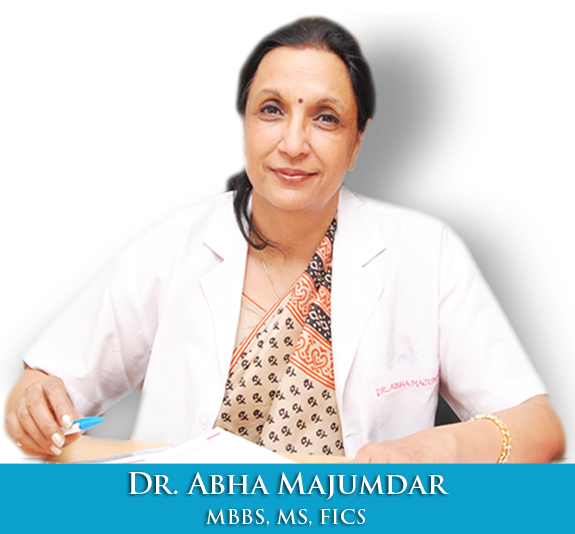
In Vitro Fertilization (IVF) is a highly structured medical procedure. It requires clinical precision and personalized protocols. According to Prof. (Dr.) Abha Majumdar (Director, Centre of IVF, Sir Ganga Ram Hospital), every couple’s IVF journey must be tailored. Therefore, we customize the process based on your specific medical background, such as PCOS, Endometriosis, or Latent Tuberculosis.
Before initiating an IVF cycle, our team conducts a thorough baseline evaluation. This assessment helps us determine the ideal treatment protocol for the couple.
During this phase, the patient receives customized gonadotropin injections. These hormones stimulate the ovaries to develop multiple mature follicles. Dr. Abha Majumdar emphasizes the necessity of protocol personalization:
Clinical Insight: Standard Antagonist protocols work well for most patients. However, individuals with a low ovarian reserve benefit from advanced global protocols like DuoStim (Dual Stimulation). This approach allows us to maximize the oocyte pool within a single menstrual cycle.
Furthermore, we meticulously monitor follicular growth through regular pelvic ultrasounds and blood tests tracking Estradiol levels.
Once the leading follicles reach the optimal size (typically 17–18 mm), we administer a “Trigger Injection”. This is usually hCG or a GnRH agonist. This shot induces final egg maturation. In addition, we precisely schedule the egg retrieval 34 to 36 hours later.
Ovum Pick-Up (OPU) is a minor, day-care surgical procedure. Our specialists perform this under light intravenous sedation. As a result, the patient experiences a completely pain-free process.
The procedure takes approximately 15–20 minutes. Therefore, the patient can safely return home the same day.
Our laboratory team fertilizes the retrieved eggs on the same day using the partner’s or a donor’s sperm. Depending on the semen parameters, we utilize one of two advanced laboratory techniques:
| Conventional IVF | ICSI (Intracytoplasmic Sperm Injection) |
|---|---|
| Embryologists place eggs and active sperm together in a petri dish. This allows fertilization to occur naturally. We prefer this for normal semen parameters. | A specialist selects a single high-quality sperm. Then, they inject it directly into the cytoplasm of a mature egg. This technique is ideal for severe male factor infertility or previous IVF failures. |
The fertilized eggs, now embryos, grow in state-of-the-art incubators. We maintain strict physiological conditions that mimic the human body.
This is the most critical and delicate clinical step of the entire cycle. The doctor places the selected high-grade embryo directly into the uterus using an ultra-thin, flexible catheter under ultrasound guidance.
Following the embryo transfer, we prescribe hormonal medications to support the uterine lining. These include progesterone supplements via oral or vaginal routes. Finally, we schedule a definitive Beta-hCG blood test 11 to 14 days post-transfer to confirm pregnancy success.
Medically Reviewed & Approved By: Prof. (Dr.) Abha Majumdar, Director & Head of the Centre of IVF, Sir Ganga Ram Hospital, New Delhi. International Member of ESHRE, IFFS, IFS, and ISAR.