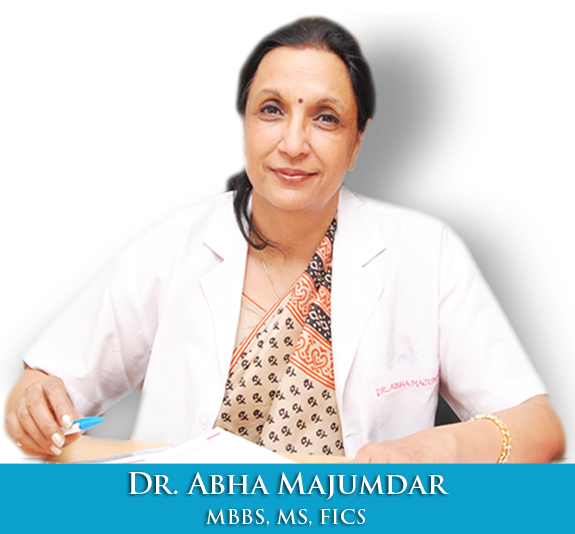
Endometriosis is a progressive, chronic disease that profoundly affects a woman’s reproductive health and overall quality of life. In this condition, endometrial-like tissue grows outside the uterine cavity, inducing severe pelvic inflammation and anatomical distortions. According to Prof. (Dr.) Abha Majumdar, managing endometriosis requires a highly balanced approach. We must address debilitating pelvic pain while simultaneously preserving long-term ovarian reserve. This guide outlines our advanced clinical and surgical strategies at Sir Ganga Ram Hospital.
Endometriosis creates multiple barriers to natural conception depending on the severity and staging of the disease. Chronic pelvic inflammation alters the microenvironment of the pelvis, negatively impacting the quality of both the oocytes and the embryos. Furthermore, this inflammatory environment can significantly impair endometrial receptivity, making successful implantation more challenging.
In advanced cases (Stage III and IV), the disease causes dense pelvic adhesions. These adhesions can structurally distort the anatomy, preventing the fallopian tubes from successfully picking up the egg. Additionally, the formation of **endometriomas** (commonly known as chocolate cysts) directly destroys healthy ovarian tissue. Consequently, this tissue destruction leads to a premature drop in a patient’s Anti-Müllerian Hormone (AMH) levels.
Professor’s Surgical Insight: Surgical removal of chocolate cysts must be approached with extreme caution. Aggressive stripping of the cyst wall can inadvertently remove healthy primordial follicles. Therefore, we meticulously prioritize tissue-preserving surgical techniques to protect the patient’s remaining ovarian reserve.
To design an effective treatment pathway, we accurately stage the disease using the revised American Society for Reproductive Medicine (rASRM) criteria. Our diagnostic mapping combines advanced imaging with expert clinical evaluation.
| Disease Stage | Anatomical Findings | Primary Treatment Focus |
|---|---|---|
| Stage I & II (Minimal/Mild) | Superficial implants scattered across the pelvic lining without significant scarring. | Pain management, medical suppression, or targeted ovulation induction. |
| Stage III & IV (Moderate/Severe) | Deep infiltrating lesions, large endometriomas, and dense adhesions distorting pelvic anatomy. | Advanced laparoscopic surgery, fertility preservation, or direct IVF intervention. |
Because endometriosis presents uniquely in every patient, our medical team rejects generic, standard solutions. Instead, we customize treatment plans based on the patient’s dominant symptoms, age, and immediate reproductive goals.
For patients prioritizing pain management rather than immediate pregnancy, we introduce targeted hormonal therapies. Medications such as progestins, oral contraceptives, or GnRH analogues effectively suppress ovarian estrogen production. Consequently, this estrogen starvation shrinks the ectopic endometrial implants, limits disease progression, and provides substantial relief from chronic pelvic pain.
When surgical intervention becomes necessary due to deep infiltrating disease or large cysts, our specialists perform advanced, minimally invasive laparoscopy. We focus strictly on the excision of lesions rather than random ablation. Furthermore, we use specialized techniques, such as bipolar coagulation or laser vaporization, to safely remove the cyst wall. This approach effectively restores normal pelvic anatomy while keeping the underlying ovarian cortex completely intact.
For women facing endometriosis-related infertility, In Vitro Fertilization (IVF) offers the highest probability of success. However, standard stimulation protocols can sometimes aggravate the condition. To maximize safety and success, Dr. Abha Majumdar utilizes highly specialized IVF protocols: