A high-fibre diet is fundamental to systemic health at any phase of life, but its clinical significance increases dramatically during gestation. One of the primary focal points of an optimized diet during pregnancy is a structured, incremental escalation in your daily intake of natural dietary fibres.
Increasing your intake of plant-derived fibres directly mitigates gestational constipation—one of the most prevalent gastrointestinal symptoms experienced during pregnancy. Furthermore, a high-fibre diet prevents excessive gestational weight gain, supports cardiovascular pathways, regulates maternal blood glucose fluctuations, and establishes a balanced microbiome environment that supports long-term maternal and fetal health markers.
📋 Clinical Target: Maternal health guidelines recommend consuming a baseline of 25 to 30 grams of dietary fibre every day, coupled with consistent hydration to facilitate optimal peristalsis through the digestive tract.
Whole grains serve as an excellent vehicle to achieve maternal fibre indexes safely. They are exceptionally well tolerated by expectant mothers managing early morning sickness, nausea, or severe gastroesophageal reflux disease (GERD). Top grains to include are:
Beans and pulses offer highly concentrated plant proteins along with robust fibre profiles. They can easily be incorporated into diverse recipes for mothers with changing food preferences during pregnancy:
Fresh fruits provide an abundant supply of water-soluble fibres, vitamins, and antioxidants while naturally addressing sweet cravings without causing unhealthy glycemic spikes:
Consuming multiple servings of fresh vegetables daily delivers essential micronutrients alongside dietary fibre:
Nuts and seeds serve as space-efficient, calorie-dense options for managing mid-day hunger pangs while maintaining high nutritional values:

Pregnancy can come with a huge list of do’s and don’ts. With all the different pregnancy advice coming from various sources, it can be hard to keep track of what to follow and what to ignore. So what should you believe? While some bits of advice are correct, like not eating things like sushi, some other advice is more rooted in myth as opposed to fact.
Here, we will try to break down some of the myths so that pregnant women can enjoy some of their favourite things without feeling any guilt. It is still important to check with your doctor if you have any doubts about any of these things. It is also important to remember that every pregnancy is different.
Whether or not you choose to abstain from alcohol completely is a personal decision. However, it is important to remember that several studies link drinking during pregnancy with an increased risk of Foetal Alcohol Spectrum Diseases. Most experts say that pregnant women should avoid alcohol for the entirety of their pregnancies. The birth defects caused by alcohol consumption are entirely avoidable by abstaining from it. Every healthcare provider must make it clear to their patients that no amount of alcohol is safe during pregnancy.
Another common myth is that you have to avoid all amounts of caffeine throughout your pregnancy. While it is true that caffeine crosses over from the placenta and reaches the baby, a small cup of coffee every day is completely safe. Having up to 200 mg of caffeine per day is considered to be safe. It is up to you to check if the beverage you are consuming exceeds the accepted amount of caffeine. Generally, one cup of tea or coffee should be okay. Also, watch out for food items like chocolate that have caffeine.
If you have heard that exercise is not safe, then you are wrong, you have heard a common myth. According to experts, low-impact workouts can be beneficial for your overall health and well-being during pregnancy. While managing your health, they prepare your body for birth and the baby’s arrival. Exercise can also help you avoid complications like gestational diabetes, preeclampsia, gestational hypertension, and many others. Pregnant women are recommended to get at least 40-60 minutes of moderate exercise every day. Moderation means that the exercise should make you sweat and raise your heart rate, but you should still be able to speak comfortably. As long as you avoid contact sports and exercises that have you lying on your back, you should be fine. Avoid lying on your back at all costs as this shuts down blood flow to the brain and the uterus. Exercise also helps balance your mood and keeps you feeling less stressed. Before starting any new workout routine, make sure you speak to a healthcare professional or doctor.
A very common myth during pregnancy is that you need to avoid all medications. You do not need to suffer through headaches and colds without medications just because you are pregnant. You should, of course, consult with your healthcare provider before using any over-the-counter medications. Most over-the-counter medications like the ones used for colds, fevers, and acid reflux should be safe to use, but once again, check with your doctor.
Herbal teas and supplements, on the other hand, may not be safe as not enough research has been done on them. The ones you can purchase at the grocery store may be safe, but it is best to check with your doctor before consuming them.
Another myth related to pregnancy is to avoid all types of seafood. Seafood is actually very nutrient-dense and a great meal choice for when you are pregnant. It is packed with protein and omega-3 fatty acids, iodine, vitamin D, and selenium, all of which are very important for the baby’s development. That being said, not all fish and seafood are good for the baby. It is important to choose fish with low levels of mercury. You can choose options like shrimp, tilapia or salmon. Fish like tilefish, swordfish, bigeye tuna, king mackerel, orange roughy, and shark have the highest amount of mercury and should be avoided at all costs. Sushi should be avoided as well, as pregnant women are told to avoid anything that is uncooked. Raw fish can contain bacteria and parasites that can lead to infection or food-borne illnesses. Cooked sushi rolls like tempura, on the other hand, are safe.
This is one of the most popular misconceptions related to pregnancy. While it is true that your baby receives nutrition from you, that does not necessarily mean that you need to eat doubles of everything. In fact, eating twice the amount of what you usually eat can cause pregnancy complications.
Some people say that eating spicy food can cause gastrointestinal distress, which in turn can induce labour. This is not true. The only thing that may happen from eating spicy food is that you’ll get loose motions or acid reflux. Additionally, loose motions can cause dehydration.
According to studies, dyeing your hair while you are pregnant is generally considered safe, because a very small amount of chemicals from the dye are absorbed by the skin. Most studies have found that the chemicals found in hair dye are not toxic and safe for pregnant women. However, some other studies suggest that high doses of these chemicals can be dangerous, so you should exercise caution. Keep a window open for ventilation and let your colourist know that you are pregnant.
Science has debunked any claims that you can predict your child’s gender based on your pregnancy symptoms. The only way to determine a child’s gender is through an ultrasound scan. Symptoms like the size of your bump, morning sickness, cravings, or the baby’s heartbeat cannot predict the baby’s gender.
Usually, it is considered safe to fly during pregnancy, although you should check with your doctor in case you have any complications related to pregnancy. Complications like high blood pressure or the risk of deep vein thrombosis should be checked by a doctor. Moreover, it is only safe to fly up to four weeks before your due date.
There are a lot of incorrect myths out there related to pregnancy and it can be overwhelming. If you have any doubts about what is unsafe during pregnancy, speak to your doctor or healthcare provider.
Medically approved by Dr Abha Majumdar, Director & Head, Emeritus Consultant, Centre of Ivf & Human Reproduction.
Are the nutritional need for women and men same?
Well the nutritional need for women is definitely different from that for men. This is not only because they are different in height and weight but mostly because of their hormonal changes associated with menstruation, childbearing, lactation and menopause, which impose a greater demand of nutrients at different stages of life. The nutrients available for girls and women in a plentiful environment also partly depends upon the dietary habits and prevailing social preferences in a patriarchal society. This often results in women have a higher risk of anaemia, osteoporosis, and various nutritional deficiencies. Apart from societal practices, periconceptionally women need higher amount of iron and calcium apart from other vitamins and minerals a situation which is never there for their male counterparts.
What are the nutritional need for women during conception and peri-conceptional periods (pre conception and post conception while lactating):
Our diet consists of macronutrients like protein, fats, carbohydrates, and sugar and micronutrients like iron, calcium, folic acid, vitamin B complex, selenium, zinc and iodine. Earlier we thought that it is the macronutrient part of our diet which is essential but now we know that the micronutrients play a big part in not only our well-being but also for the child a pregnant women is carrying.
Tips for heathy eating for women pregnant or wanting to conceive:
Do not skip a meal and have early dinner at least 3 to 4 hours before you sleep.
If you want to snack in between meals make fruits or whole grains your snack.
Instead of fruit juice have the whole fruit.
Start you meal with roughage like salad or fruits which have less sugar and let the protein and carbohydrates follow them.
Use more plant based oils for cooking like olive oil, mustard oil or coconut oil.
Include vegetables, fruit, cereals, proteins, and dairy in your meals.
Cook at home more often.
Avoid eating food with added sugar, salt, and trans fats.
In pregnancy and lactation avoid caffeine, nicotine and alcohol.
Get your nutrients primarily from food which you eat and drink rather than from supplements.
Some women might need additional vitamins, minerals, or other supplements at certain times in life like before, after or during pregnancy.
Apart from pregnancy and lactation most girls aged 10 to 20 and women older than 50 need more calcium for good bone health.
Regular exercise regimen or workouts should be a part of our routine to mobilise the calcium you ingest to move it to bones and add to its strength.
Last but not the least; your child is a total parasite when inside your body so all what you eat goes to them may it be the diet you consume or supplements.
Supplements in addition to providing you with the nutrient you require also have colouring agents, preservatives, and carrier agents though in micro quantities which additionally goes to the baby you are carrying or feeding.
Calcium and iron are 2 micro nutrients which the child will take from your stores whether you ingest them additionally in higher quantities or not, and may deplete their stores from the bones or bone marrow if you do not replenish them.
The old saying “you are what you eat” is true. What you eat and drink become the building blocks in your body. Over time, your food and drink choices make a difference in your health.
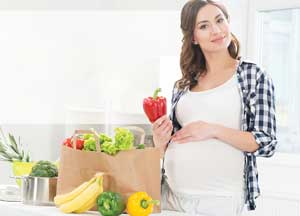
During pregnancy, specialized nutrition and critical nutrients play a vital role in supporting the health and development of both the mother and the growing fetus. While protein is important, there are several other nutrients that are essential for a healthy pregnancy. Here are some key nutrients and their roles:
Folic acid, also known as folate, is crucial for the development of the baby’s neural tube, which eventually forms the brain and spinal cord. Adequate folic acid intake before and during early pregnancy can help prevent neural tube defects. Good sources of folic acid include leafy green vegetables, citrus fruits, beans, and fortified grains
Iron is essential for the production of red blood cells and to prevent iron-deficiency anemia in both the mother and the baby. It supports the transport of oxygen to the developing fetus and helps in the growth and development of organs. Iron-rich foods include lean meats, poultry, fish, legumes, and fortified cereals.
Calcium is crucial for the development of the baby’s bones and teeth. It also supports the mother’s bone health. Dairy products like milk, cheese, and yogurt are excellent sources of calcium. Other sources include leafy green vegetables, fortified plant-based milk, and calcium-fortified products.
Omega-3 fatty acids, particularly DHA (docosahexaenoic acid), are essential for the development of the baby’s brain and eyes. They also support the mother’s brain health and may help reduce the risk of preterm birth. Good sources of omega-3 fatty acids include fatty fish (such as salmon and sardines), walnuts, chia seeds, and flaxseeds.
Vitamin D is important for bone health and immune function for both the mother and the baby. It helps the body absorb calcium and supports the development of the baby’s teeth and bones. Exposure to sunlight and consuming vitamin D-rich foods like fatty fish, fortified milk, and fortified cereals can help maintain adequate vitamin D levels
Iodine is necessary for the production of thyroid hormones, which are crucial for the baby’s brain development and metabolism. Insufficient iodine intake during pregnancy can lead to cognitive and developmental issues in the baby. Good sources of iodine include iodized salt, seafood, and dairy products.
These vitamins act as antioxidants and help protect the cells from damage. They also support the immune system and aid in the absorption of iron. Citrus fruits, berries, tomatoes, spinach, and nuts are good sources of vitamin C and vitamin E.
It’s important for pregnant women to follow a balanced and varied diet to ensure they obtain these critical nutrients. In some cases, prenatal supplements may be recommended by healthcare professionals to meet the increased nutrient needs during pregnancy. Consulting with a healthcare provider or a registered dietitian is always advisable to personalize nutritional recommendations based on individual needs.
Contact Us – You can follow us via

An excerpt from ‘Marguerite de Bure: Indian Chronicles, Letters from a French Woman in Bombay 1902-1904’, translated from the French by Elsa S Mathews.
Marguerite de Bure (née Rousselet) was born in Orléans, France in 1872. She was the oldest of the five siblings. As a young girl, she grew up reading her uncle Louis Rousselet’s travelogue to India – India and its Native Princes. Inspired by the etchings made by her uncle, she nurtured the dream of travelling to India someday. It is said that she waited till the age of 30 to meet someone who would take her there.
She was introduced to Pierre de Bure, an officer in the French Merchant Navy (Messageries Maritimes) by family friends. They married in 1902 and soon left for Bombay where Pierre was posted for the next two years. In the letters written between 1902-1904, to her family and friends Marguerite documents the lifestyle, customs and social relations that she observes around her.

This is because of many reasons; but two important ones are low ovarian reserve which may occur eithear due to ovarian disease and/or surgery and poor oocyte quality owing to oocytes coming from a diseased and inflamed ovary. Furthermore, the implantation rates and pregnancy rates may also be negatively affected because of impaired endometrial receptivity due to lowered expression of HOXA 10 and ąvβ3 integrins or associated adenomyosis
The aim of an ideal protocol is to get a good number of high-quality oocytes as well as the best endometrium for implantation. Two standard protocols have been used for controlled ovarian stimulation (COH) for IVF across all continents. The first and the older one is long GnRH-agonist protocol and the second and newer is short GnRH antagonist protocol. However, the second one has replaced the first long protocol in most centres across the world because of its ease of administration, lower number of injections required and a very low complication rate especially regarding the occurrence of ovarian hyperstimulation syndrome (OHSS). Nevertheless, both protocols when used in women in endometriosis have similar IVF outcomes. as the actual impact of GnRH analogues used during COH is on ovarian hormonal control and not on oocyte and embryo quality.
Pre-treatment, before starting COH with antagonist protocol, is a good option in all women undergoing IVF to have an equal cohort of gonadotropin sensitive antral follicles. This equalisation of antral follicles naturally happens in women being treated by the long GnRH agonist protocol. However, in women with advanced endometriosis there appears an additional need for further pre-treatment to reduce the inflammatory environment and cytokine excess which is always there due to presence of endometriotic implants. This pre-treatment may consist of either surgical removal of endometriomas or medical treatment which may need to be extended for a few months before COS is initiated.
The pre-treatment is of 2 types.
Surgical and medical
Surgical pre-treatment is preferred in following conditions:
Medical pre-treatment is preferred in the following conditions:
Historically, the only medical treatment tried in women with advanced endometriosis had been the prolonged use of depot preparations of GnRH agonist to create very low estrogenic environment which possibly led to better IVF outcome in terms of clinical pregnancy and live birth rates.
Mechanisms of action of prolong GnRH agonist in endometriosis:
Cochrane Database Systemic Review in 2006 by Sallam et al, concluded on the evidence available then, that administration of GnRH agonists for period of 3-6 months prior to IVF or ICSI caused 4-fold increase in clinical pregnancy rate & 9-fold increase in live birth rate. This analysis was based on 3 randomised control trials which included 165 women. After this review the ultra- long protocol was considered ideal for endometriosis as evidence showed statistical improvement in the oocyte quality, embryo quality and implantation rates.
However, contrary to previous findings, the latest Cochrane review done by Georgiou EX et al in 2019 raised questions on the impact of long-term GnRH agonist therapy on the live birth rate and complication rates compared to the regular COS protocols. This review superseded the previous review by Sallam et al done in 2006.
The present Cochrane review compared the prolonged GnRH agonist pre-treatment to no pre-treatment and has been uncertain whether long-term GnRH agonist therapy prior to IVF/ICSI in women with endometriosis affects the live birth rate. The evidence suggests that if the chance of live birth rate is assumed to be 36% with no pre-treatment, the chance following long-term GnRH agonist therapy would be between 9% and 31%. It is also uncertain whether this intervention imparts any benefits regarding complication rate, clinical pregnancy rate, multiple pregnancy rate, miscarriage rate as well as in the mean number of oocytes and embryos obtained.
Considering the paucity and very low quality of existing data, particularly for the primary outcomes examined, further high-quality trials are required to definitively determine the impact of long-term GnRH agonist therapy on IVF/ICSI outcomes in women with endometriosis.
In 2020 a meta-analysis was published by Cao, X et al. in Reproductive Biology and Endocrinology comparing the ‘Effectiveness of different down-regulating protocols on in vitro fertilization-embryo transfer in endometrioses: a meta-analysis’ which included a total of 21 studies in compliance with the standard literature. Randomised and non-randomised trials were analysed separately. Subjects of study were women diagnosed with endometriosis by laparoscopy, laparotomy, or transvaginal aspiration of the ovarian endometrial cyst.
The results showed that GnRH-a ultra-long protocol could improve the clinical pregnancy rate of infertile patients in studies analysed from randomised control trials, especially in patients with stages III–IV endometriosis (RR = 2.04, 95% CI: 1.37~3.04, P < 0.05).
Nevertheless, subgroup analysis found the different down-regulation protocols provided no significant difference in improving clinical outcomes in patients with endometriosis in the non-RCT studies.
Limitations of prolonged down-regulation compel clinicians to avoid using this protocol too often. On one side it is time consuming and delays IVF by 3 to 6 months and on the other side it may over suppress ovaries leading to diminished ovarian response especially in poor responders. Therefore, other medical methods are being explored to minimize negative effect of endometriosis on oocytes.
Dienogest as pre-treatment:
Dienogest is a progestogen with no estrogenic activity. In addition, it also has anti-inflammatory and anti-angiogenic activity, and it is felt that its prolonged use may lead to better implantation rates. To see the benefit of this drug as a pre-treatment agent before COS in women with advanced endometriosis undergoing IVF, retrospective analysis of prospectively collected database of 151 women was done. These women had failed a previous IVF cycle and all subsequent embryo transfers and had an imaging diagnosis of endometriosis. Patients either underwent IVF without receiving hormonal treatment or received 3 months of treatment with DNG (2 mg/daily) before COS for IVF. All patients receiving DNG were assigned to long protocol with 21 days of daily GnRH agonist administration in the last 3 weeks of the 3-month pre-treatment and were also kept dienogest free in last 2 weeks before starting COH.
The results showed that the largest diameter of endometriomas significantly decreased after DNG pre-treatment (P < 0.001). The use of DNG also increased the number of oocytes retrieved significantly (P= 0.031), two-pronuclear embryos (P = 0.039) and blastocysts (P = 0.005) in women with endometriomas of diameter ≥4 cm.
This study suggests that in patients with endometriosis, IVF outcomes can be improved by pre-treatment with DNG. In particular, the use of DNG allows for better oocyte retrieval and blastocysts conversion in patients with large endometriomas. The cumulative implantation, clinical pregnancy and live birth rates were significantly higher in the DNG-treated group.
Oral contraceptive pills for 6 to 8 prior to COS:
It has been speculated that long-term pituitary desensitization with a GnRH agonist for 3-6 months prior to IVF/ICSI improves clinical pregnancy rates in women suffering from endometriosis. Alternatively, IVF/ICSI pre-treatment with continuously administered oral contraceptives may offer fewer side-effects and lower indirect costs, as well as encouraging IVF outcomes in women with endometriosis. To date, these two different IVF/ICSI pre-treatment strategies in women with endometriosis have not been directly compared.
A study has been designed with the title ‘Continuous oral contraceptives versus long term pituitary desensitization prior to IVF-ICSI in moderate to severe endometriosis: A non-inferiority randomised controlled trial’. in an open access publication in Human Reproduction Open. pp 1 to 8. 2019. The sample size calculation is rounded off to 165 patients per group; 330 patients in total will be included. After informed consent, web-based block randomization will be stratified per centre. The protocol for this study has been laid down which is expected to be complete in 3-5 years. This study aims to see and compare the effectivity of OCP pre-treatment in an open-label, parallel two-arm randomized controlled. multicentre trial, which will only include patients with moderate to severe endometriosis.
GnRh agonist with letrozole:
The use of 2 drugs has been analysed in a trial titled ‘A comparison of 2 months of pre-treatment with GnRh agonist depot with or without the addition of letrozole in women undergoing IVF with ultrasound diagnosed endometrioma’ by Arielle Cantor and published in volume 38 issue 4 in RBMO 2019.
To answer the question that, does the addition of an aromatase inhibitor improve IVF outcomes in women with endometriomas when pre-treating them with gonadotrophin-releasing hormone agonists’, a retrospective two-centre cohort study was analysed. This analysis was done for 126 women aged 21–39 years who failed a previous IVF cycle and all subsequent embryo transfers and had sonographic evidence of endometriomas. Women were non-randomly assigned to either 3.75 mg intramuscular depo-leuprolide treatment alone or in combination with 5 mg of oral letrozole daily for 60 days prior to undergoing a fresh IVF cycle. Main outcome measures included clinical pregnancy rate and ongoing pregnancy rate after 24 weeks’ gestation. Prior to treatment, antral follicle count (AFC), basal serum FSH and endometrioma diameter did not differ between groups. After treatment, AFC differed between letrozole and non-letrozole-treated groups (10.3 ± 2.0 versus 6.4 ± 2.5; P = 0.0001), as did mean endometrioma maximum diameter (1.8 ± 0.4 cm versus 3.2 ± 0.8 cm; P = 0.0001). At IVF, the gonadotrophin dose used was significantly lower in letrozole-treated subjects (2079 ± 1119 versus 3716 ± 1314; P = 0.0001), the number of mature oocytes collected was greater (9.1 ± 2.4 versus 4.0 ± 1.7; P = 0.0001), as were the number of two-pronuclear embryos and number of blastocysts. The clinical pregnancy rate was significantly higher in the letrozole-treated group (50% versus 22%, P = 0.003), as was the live birth rate (40% versus 17%, P = 0.008).
Therefore, it looks worthwhile to try the combination of depo-leuprolide acetate monthly for 60 days with daily letrozole for the same duration in women with endometriomas rather than depo-leuprolide acetate treatment alone for 2 months.
References
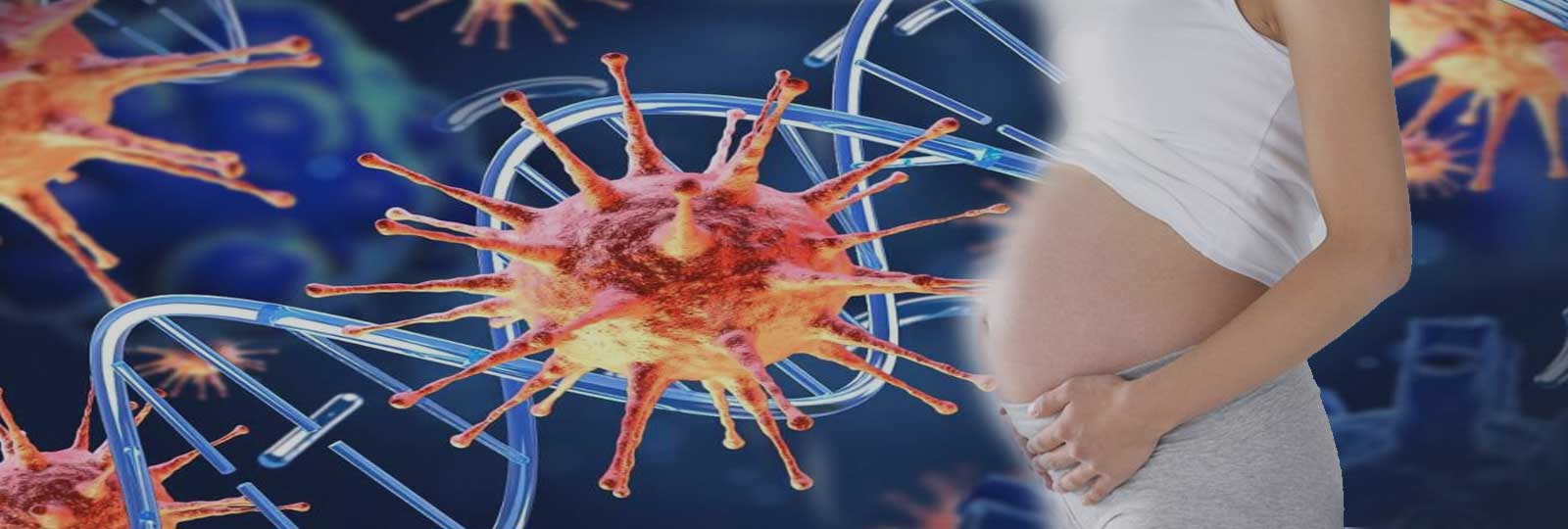
Many on-going IVF pregnancies, infertile women, and patients wanting IVF/ IUI have been struggling because of the disruption caused due to the COVID-19 pandemic
The welfare of our patients at the IVF centre of Sir Ganga Ram Hospital, undergoing fertility treatment as well as their pregnancies, are foremost in our mind. To make treatment as safe as possible, we have introduced several changes. These are as following:
For most people, the treatment cycle will be the same as before the pandemic, with us focussing on your safety alongside success rates. If you have a significant underlying medical condition, then we may discuss altering your treatment to maximise safety for you at this time.
If you test positive for coronavirus prior to your egg collection, we will need to pause your treatment until you are well again. The best is to wait for 28 days after recovering from Covid-19 before starting treatment. This is for the safety of you, your embryos, and those around you.
If you test positive after egg collection, any embryos will be frozen, giving time for you to recover before any transfer. Please be assured that frozen embryo transfer now achieves similar or higher success rates than fresh embryo transfer.
Generally, pregnant women do not appear to be more likely to be seriously unwell than other healthy adults if they develop coronavirus.
Majority of pregnant women will experience only mild or moderate cold/flu like symptoms
As this is a very new virus, we are just beginning to learn about it. There is no evidence to suggest an increased risk of miscarriage.
Transmission of the virus from a woman to her baby during pregnancy or birth appears possible. However, this does not seem to cause a problem with the baby’s health after birth
It does not seem that the virus causes problems with a baby’s development during pregnancy.
All available evidence suggests that pregnant women are at the same risks as other healthy adults if they develop coronavirus. Majority of pregnant women experience only mild or moderate cold/flu-like symptoms. Cough, fever, shortness of breath, headache and loss or change to your sense of smell or taste are other relevant symptoms.
If you develop more severe symptoms or your recovery is delayed, this may be a sign that you are developing a more significant infection and need specialised care. Please contact the government helpline or your clinician.
Most women who are more seriously ill are in their third trimester, therefore the importance of social distancing from 28 weeks of pregnancy is more important.
Emerging evidence suggests that transmission from a woman to her baby during pregnancy or birth is probable. It is important to emphasise that in all reported cases of new born babies developing coronavirus very soon after birth, the babies were well. Given current evidence, it is considered unlikely that if you have the virus it would cause problems with your baby’s development.
Across the world, emerging reports suggest some babies have been born prematurely to women who were very unwell with coronavirus. It is unclear whether coronavirus caused these premature births, or whether it was recommended that their babies were born early for the benefit of the women’s health and to enable them to recover.
The most important thing to do is to follow guidelines issued by the government. For pregnant women and the rest of their households, this includes:
Pregnancy in a small proportion of women can alter how your body handles severe viral infections. This is something that obstetricians have known for many years and are used to dealing with. We know that some viral infections are worse in pregnant women; however, all available evidence suggests that pregnant women are at no greater risk of becoming seriously unwell than other healthy adults if they develop coronavirus.
As a precaution, you should follow government advice about social distancing, stay away from public places and avoid anyone who has symptoms suggestive of coronavirus. It is still considered necessary for pregnant women to go for exercise and to attend antenatal appointments.
If you are in your third trimester (more than 28 weeks’ pregnant) you should be particularly attentive to social distancing and minimise any contact with others.
Keeping being active and hydrated as both are important to reduce the risk of blood clots in pregnancy. Take supplements in form of vitamins and minerals to boost your immunity.
Becoming pregnant during the coronavirus pandemic is a matter of personal choice. However, it is recommended that when considering a pregnancy, women and their partners consider the risks of coronavirus transmission associated with routine contacts with healthcare professionals during pregnancy, particularly if pregnancy complications may necessitate frequent hospital attendance.
The changes adopted during the pandemic are with the following aims:
These changes are a way of ensuring we deliver the best care without overloading our services, as well prevent your exposure to the risk of other people which are crucial during the coronavirus pandemic. Your safety is our first priority.

Incidence of PCOS in women in the reproductive age group is between 5 to 15%. In women presenting with infertility the incidence is about 30% and of all women attending gynecological clinics with irregular menstruation along with oligo/anovulation, more than 90% have PCOS. It is important to set proper criteria to diagnose PCOS with certainty so that the health risk of these women can be assessed and follow-up plans instituted.
With a better understanding of the condition, the criteria for diagnosis of PCOS have been changing from time to time. The NIH/NICHD consensus conference defined this symptom complex in 1990, the Rotterdam PCOS consensus group redefined it in 2003 and the androgen excess PCOS Society again defined it in 2006. However, the emphasis remained to classify PCOS in a way that the high-health-risk group could be identified from the lower-health-risk group so that more vigorous follow-up and management could be assigned to the high-risk category of PCOS women. The androgen-excess PCOS society labeled androgen access as the biggest indicator of high risk for metabolic diseases in PCOS women.
Manifestations of PCOS may start in adolescence and stay with a woman through life or may start even later in life. A woman with PCOS may require special care as well as medical management of different sets of problems, which keep arising at different stages of life. Accordingly, health issues and concerns can be addressed for PCOS women by prioritizing symptom complexes that occur with higher frequency at different stages of life. The 3 important stages requiring the identification and management of PCOS women are as follows.
Adolescent PCOS:
This is a transitional stage of physical and psychological development in a girl’s life which exists between puberty and adulthood. Signs and symptoms of PCOS overlap the physiological changes of puberty. All criteria set by various bodies for diagnosis of PCOS, pose a problem when applied to adolescent girls. To diagnose PCOS in adolescence all the 3 criteria described by the Rotterdam consensus must be met with, which means the presence of anovulatory cycles, clinical or biochemical hyperandrogenism, and the appearance of polycystic ovaries. Having 2 features out of the 3 as defined by the Rotterdam consensus group to define an adult woman with PCOS, are not enough to classify an adolescent girl as having PCOS. Post puberty, the pituitary ovarian axis is still stabilizing in this group of young girls, which may correct itself as the hypothalamic-pituitary-ovarian axis matures. Often these girls present with phases of amenorrhea followed by abnormal uterine bleeding for two to three years post-menarche. Moderate to severe hirsutism with or without acne indicates hyper androgenic even though acne with mild hirsutism is commonly seen in most young adolescent girls. Ovaries may show a multi-cystic appearance around puberty with some similarity to polycystic ovarian appearance which does not qualify them as PCOS. However, scanning after eight years post-menarche still showing PCOS ovaries makes it a diagnostic criterion for a definite diagnosis of PCOS. We can reserve the confirmation of her diagnosis to a later date but must start to treat this young girl based on her symptoms, especially the menstrual abnormalities.
Investigations:
The test required in PCOS girls before the diagnosis is made are different from those which are used for long-term follow-up of these PCOS girls
Clinical feature of hirsutism or assessment of total/free testosterone levels in the absence of hirsutism.
17 hydroxy progesterone and DHEAS levels must be assessed in severe cases of hirsutism to rule out other causes.
Serum progesterone 3 to 4 weeks following menstruation to confirm ovulation. Pelvic ultrasonography to see the polycystic appearance and size of the ovary with endometrial thickness assessment, especially in cases where there are periods of amenorrhea or continuous episodes of bleeding.
FSH, LH, thyroid profile, and serum prolactin are recommended especially in cases of amenorrhea with withdrawal bleeding or oligomenorrhea. However, when in doubt of diagnosis assessment of serum AMH can be done.
These should be assessed right from the suspicion of the diagnosis of PCOS at any stage in a girl’s life.
Apart from weight assessment looking out for signs of acanthosis nigricans with possibly associated HAIR-AN syndrome (hyperandrogenism, insulin resistance, acanthosis nigricans), oral glucose tolerance test (OGTT) and lipid profile is important in these girls especially if overweight.
Follow-up investigations: Once the diagnosis of PCOS is confirmed we need to follow these girls with OGTT and lipid profile yearly with weight and blood pressure monitoring from time to time. Other hormonal tests are only done whenever deemed necessary based on the development of new symptoms or need-based such as fertility or menstrual issues.
Definitive diagnosis of PCOS is not necessary to initiate treatment in adolescence as treatment may decrease the risk of future comorbidity even in the absence of a definite diagnosis. Therefore, in cases of menstrual symptoms especially excessive and intermittent bleeding one can resort to cyclical progestogens till the bleeding stops and then either continue progestogens cyclically or switch over to combined oral contraceptive pills (COCs) especially if hirsutism is also a concern. COCs containing anti-androgens like cyproterone-acetate or drospirenone are preferable progestogens which also act as anti-androgens and appear to resolve hirsutism faster. These may be continued for a minimum of six months to be able to demonstrate any beneficial effects on hirsutism and can be continued for several years with or without palliative treatment to suppress hirsutism and acne.
: It is important to establish the diagnosis of PCOS recommended either by the Rotterdam’s consensus group or the criteria laid by the AE-PCOS society.
Fertility issues in PCOS are generally resolved by induction of ovulation. Obesity coupled with insulin resistance is a common occurrence in women with PCOS which also contributes to their ovulatory disorder. Lifestyle modification is particularly important in treating women with oligo ovulation or anovulation, not only to improve their ovulatory performance but also to reduce the metabolic consequences of the syndrome. A modest loss of 5% to 10% of total body weight leads to a 30% reduction of central fat, with improvement in insulin sensitivity, and helps to restore ovulation to some extent. Weight loss should be encouraged prior to ovulation induction treatment.
Once we decide to start ovulation induction, we need to ensure that the endometrium is normal, as hyperplastic endometrium is very commonly seen in these irregularly menstruating PCOS women. If endometrial thickness is found to be 4 mm or less during menstruation, one can start with ovulation induction with oral ovules as the first-line treatment for ovulation. If oral ovules do not lead to successful ovulation or fail to establish a pregnancy despite 5 to 6 ovulatory cycles, injectable gonadotropins are recommended. However, injectable gonadotropins are to be used with utmost caution and very judiciously as these women with PCOS tend to get hyper-stimulated in response to even small doses of gonadotropin. The starting doses should be as low as 50 to 75 international units, with small increments in doses of 12.5 to 25 units every 5 to 7 days. The number of days taken for a dominant follicle to emerge does not appear to change the outcome in terms of successful ovulation or achieving pregnancy in these PCOS women. Ovarian hyperstimulation syndrome (OHSS) occurs very commonly in these women and must be prevented in all instances. If more than two dominant follicles form in response to induction of ovulation, sexual contact during ovulation must be avoided to prevent the risk of 0HSS as well as that of multiple pregnancies. Sometimes, resorting to ovarian drilling also helps in resuming ovulation in PCOS women who do not ovulate easily or tend to over-stimulate with various methods of ovulation induction. Insulin sensitizers as well as inositols have also been recommended as adjuvants to ovulation-inducing drugs in the context of oligo ovulatory PCOS. However, despite ovulation with any of the above agents if pregnancy fails to occur, we may have to resort to in vitro fertilization (IVF).
Once a woman with PCOS has crossed adolescent problems and overcome her fertility issues. She remains almost lifelong in the high-risk group for medical issues which, are commonly encountered in men and women with metabolic syndrome. Historically, the treatment of PCOS was short-term and mainly under the domain of a gynecologist and dermatologist. Oral contraceptives were given for irregular menstruation, anti-androgens for hirsutism, and ovulation induction for infertility. In recent years, a lot of research has gone into this syndrome, and these women have been linked to having a higher risk for metabolic complications. In PCOS women the commonly encountered problems are obesity, impaired glucose tolerance test (OGTT), hypertension, cardiovascular disease, hyperlipidemia, obstructive sleep apnoea, and non-alcoholic fatty liver disease NAFLD.
Besides the metabolic complications endometrial hyperplasia and endometrial carcinoma is a real threat to these irregularly menstruating PCOS women. Although adverse health consequences associated with PCOS are formidable and many folds, regrettably most women and clinicians are not aware of these risks. The recommendation is that PCOS should be viewed as a chronic condition that requires longitudinal treatment perspectives.
Screening consists of monitoring blood pressure, BMI (weight in kilograms divided by height in meters square), waist circumference, OGTT, and lipid profile. These need to be followed up every six months for PCOS women with borderline risk and annually for women with normal profiles. The prevalence of NAFLD in PCOS women is approximately 15 to 60%. However, even though routine screening is not suggested, it is important to be aware of this condition, especially in obese PCOS with insulin resistance to be able to carry out appropriate screening with assessment with SGOT and SGPT whenever required.
The most important component for the prevention of metabolic consequences is by keeping one’s weight under control through lifestyle modifications. However, one must have realistic expectations for weight loss. The minimum weight reduction to have any beneficial effect on health statistics would only be if one is able to lose 5% to 10% of the weight. Dietary modifications are important and a reduction of 30% of calorie intake means a 500 to 750 kcal reduction per day. If this can be achieved and maintained, it may lead to the desired weight loss. Physical activity of moderate to intense exercise of at least 150 minutes per week is recommended. Drugs to help reduce weight such as metformin or orlistat have been used in addition to lifestyle modification. This is possibly most beneficial in the high-risk obese group which is prone to developing metabolic syndrome. A multi-disciplinary approach may be needed to treat such PCOS women constituting a diabetologist, endocrinologist, cardiologist, and gastroenterologist for the manifold presentations of these women with metabolic syndrome.
There is a 2 to 6-fold increased risk of endometrial cancer in women with PCOS, which often presents before menopause. Even one episode of prolonged or heavy bleeding warrants ultrasound for endometrial thickness in these women. Healthcare professionals should have a low threshold for investigation of endometrial cancer in women with PCOS for which endometrial aspiration with histopathology is important. Transvaginal ultrasound for endometrial thickness followed by endometrial biopsy is recommended if persistently thick endometrium is seen on ultrasound or there is abnormal vaginal bleeding following amenorrhea. It is suggested to use progestin therapy in PCOS women with cycles longer than 90 days leading to at least 4 menstrual episodes in one year, resulting from progesterone withdrawal to prevent the risk of endometrial cancers.
Diagnosis of PCOS in adolescents should have all three diagnostic criteria met at least 2 to 3 years after menarche. Treatment for menstrual irregularity and or hyperandrogenism should start even in the absence of confirmation of the diagnosis of PCOS. Combined OCP or progestin can continue through reproductive life with regular follow-up for adverse effects of these drugs. Approximately 70% of PCOS women have fertility issues mainly due to scanty ovulation and the first line treatment is to induce ovulation with oral ovules. If these fail to induce ovulation, then gonadotropins are recommended under expert monitoring as these can lead to OHSS and multiple pregnancies. Ovarian drilling is an option for a few patients only presenting with infertility. is the IVF last option for these PCOS women if they fail to conceive with all the above treatments. There is a need to follow all PCOS with metabolic issues and treated them accordingly. There is a two to six-fold higher incidence of endometrial hyperplasia and cancer so screening is a must for women if they do not enter menopause.
low sperm counts,
It is commonly encountered problems by gynaecologist
Questions faced by gynaecologist while treating infertile couples with semen abnormalities.
The ideal abstinence interval suggested by World Health Organisation (WHO) before semen is given for testing is between 2 to 7 days. There is some impact of ejaculatory abstinence on semen analysis parameters which has been reviewed in various studies. It has been seen that longer abstinence is associated with increase in semen volume and count. However, effect of abstinence or motility, morphology, and DNA fragmentation rate are contradictory and inconclusive. Nevertheless, a trend appears towards improvement in these para metres with shorter abstinence. It is also important to note that the first fraction of an ejaculation is the most effective part for conception as the sperms are more numerous, move more and present better-quality DNA than those which come through the second ejaculate. Even in men suffering from an-ejaculation (it is the pathological inability to ejaculate in men with or without orgasm) first ejaculation obtained by electro ejaculation is much better than the quality of the second electro ejaculation. Therefore, it is obvious that repeated procedures of sperm collection by electro ejaculation are not justified for improving the sperm quality in an-ejaculatory neurologically intact men.
When we see several different reports from good laboratories it may become difficult to decide which report to believe as correct. This becomes more important if one report shows normal semen parameters and the other sub-normal. It is important to note what is written in the column of morphological characteristic of sperms. Generally, more than 4% of normal sperms constitute a morphologically normal semen sample. If we find a technician who has reported 80% of normal forms or even 30% of normal sperms it indicates that the technique of doing the semen analysis is not the standard technique or the technician is not trained adequately to do a semen analysis. Most of the laboratories have technicians who have good experience in blood and urine testing but are very poorly trained regarding semen analysis which is quite different from the above two. Mostly technicians working in fertility centres which offer semen analysis, are more proficient in the assessment of semen samples. A beautifully typed report from a leading laboratory does not qualify the report to be correct.
Normal semen analysis which was redefined by WHO in 2010 shows differences from the standard semen para metres which were followed earlier ever since the reference values were defined by WHO in 1998. The semen volume from 2 ml to 1.5 ML is now considered normal, sperm concentration of 15 million/ml from 20 million/ml and progressive motility now of 32% instead of 50% is now redefined by WHO as normal. Sperm morphology 4% or above is considered normal and is generally not above 14% to 20%.
Whenever an infertile couple comes, and the man carries a semen analysis report which shows mild oligo-astheno-terato-zoospermia (OATs) along with an ultrasound report showing grade 1 varicocele how should we proceed. If the varicocele is only demonstrated by ultrasound on standing and coughing and not palpable clinically then it is grade 1, and a case of subclinical varicocele which is defined as a non-palpable enlargement of the venous plexus of the spermatic cord which can be diagnosed only by imaging techniques. No surgical repair is recommended in such case, as studies have shown that, there is no increase in the sperm parameters nor in the pregnancy rate post operatively. Diagnosis of varicocele which is can easily be made by physical examination of scrotal palpation in upright position or in lying down position is truly clinical varicocele and comes under grade 2 and 3 respectively. These are the cases which may sometimes benefit from surgical varicocelectomy hence needs to be referred either to a urologist or infertility/IVF specialist.
Azoospermia is defined as ‘absence of spermatozoa in the sediment of a centrifuged semen sample of a man’ and crypto-zoospermia is as ‘extremely low spermatozoa concentration (≤1 million/mL) in the ejaculate of a man’ according to WHO. These situations are generally diagnosed during a routine male infertility investigation. Azoospermia is seen approximately in 1% of the male population and may be as high as 20% among male infertility cases.
The first thing to be noted from the semen analysis report is the volume of the semen. If this is found lower than normal one needs to rule out history of spillage of the sample while collection. If there has been no history of spillage, the pathological causes of low semen volume are many, such as retrograde ejaculation, an-ejaculations, and hypogonadism. Even anatomical causes contribute to low semen volume such as ejaculatory duct obstruction or congenital absence of the vas/seminal vesicles which can be ruled out by further investigations, for which the man needs to be referred to a urologist/andrologist. If this was not the case, then a repeat semen analysis is recommended after 7 days requesting the laboratory for centrifugation of the sample. If we find sperms in the sediment this is possibly a case of crypto-zoospermia. All these cases of azoospermia or crypto-zoospermia need further investigations and should be referred to an ART clinic.
Obesity is a possible cause of secondary hypogonadism associated infertility in some men. The mechanism by which this happens is as following. Enzyme aromatase is highly expressed in peripheral fat tissue and converts testosterone to oestradiol, causing increased peripheral oestradiol production. High levels of oestradiol inhibit secretion of LH and FSH from the pituitary by negative feedback mechanism. Reduced levels of LH and FSH in turn lead to a reduction in testosterone synthesis and sperm production leading to infertility. To counteract the physiological effect of elevated oestradiol, use of aromatase inhibitors have seen to normalise serum testosterone by stopping its conversion to oestradiol thus its effect on spermatogenesis. The commonly available aromatase inhibitors available are letrozole which is used in doses of 2.5 mg/day or anastrozole given in the doses of 1 mg/day for a period of 3 to 6 months. Generally, with the use of aromatase inhibitors the serum oestradiol levels fall, and the total testosterone levels increase and so does sperm concentration.
Antioxidants are extensively used in the treatment of subnormal semen para metres in male subfertility. There are many vitamins and micronutrients used as antioxidants in practice. One of the most used antioxidants is vitamin C which is found in abundance in the semen of fertile men. It is known to protect sperm’s DNA from free radical damage by virtue of which it improves sperm quality. It is given in doses of 1000 milligrams per day orally for 3 to 6 months. Vitamin E protects sperm cell membrane from damage therefore improve sperm motility and is used at a dosage of 600 mg per day for 3 to 6 months. Other micronutrients like selenium is used as 200 µg a day, glutathione 400 mg per day, and L-acetyl cysteine 3 g per day to increase sperm concentration and sperm motility. Lot of controversy exists regarding long term use of antioxidants. Recent clinical trials have shown that antioxidants do not appear to improve semen para metres or DNA fragmentation among men with male factor infertility. Therefore, limited and judicious use of these drugs is recommended in male infertility and if no improvement is seen in semen parameters in 3 to 4 months or a pregnancy does not occur within 6 months, one must resort to methods of ART to assist in conception.
To conclude, it is important to remember that there is limited role of medical management in male infertility. What a gynaecologist needs to know is to be able to recognise a sub-normal semen report and to know with certainty when to refer the patient further to an ART clinic or andrologist. However, there are conditions causing subfertility in men which can be managed medically and should be treated before referring the patient to a specialist. Nevertheless, there are a few more conditions like male accessory gland infections (MAGI) and hypo-gonadotropic hypogonadism in men which can be treated success fully by medical management but require either a good local genital examination or hormonal and genetic workup, respectively. These patients need to be referred further without wasting time so that they get the correct treatment and their families can be completed within a stipulated time frame.
Series of 18 Cases of Clomiphene Resistant Anovulatory Women with Polycystic Ovary Syndrome and Altered Response to FSH Stimulation.
We report a case series of 18 such PCOS women selected from 100 CC resistant women undergoing r-FSH stimulation with the purpose of ovulation induction.
All patients presented to the outpatient department where their clinical examination was done by a clinician which included measurement of body weight, height, waist and hip circumferences and blood pressure. Height and weight were measured with subjects in light clothes and without shoes, using a standard apparatus. Weight was measured on a calibrated beam scale. The height and WC were measured to the nearest 0.5 cm with a measuring tape. Waist was measured midway between the lower rib margin and the iliac crest at the end of a gentle expiration. BMI was calculated as the weight in kg divided by the height in meters squared (kg/m2 ).
For biochemical and hormonal measurements, overnight fasting blood samples were taken from each subject. Oral glucose tolerance test was done by drawing blood in EDTA-treated test tubes in fasting status and then after 2 h of ingesting 75 g of glucose, by an enzymatic colorimetric method with hexokinase. Lipid measurements including total cholesterol (TC), triglycerides (TGs) and HDL-C were obtained using commercial assay kits. TGs were assayed using enzymatic colorimetric tests using triglycerides GPO blank. Luteinizing hormone (LH) and follicle-stimulating hormone (FSH), and serum estradiol were measured by chemiluminescence method by Diasorin, LIAISON, Italy. AMH was measured by chemiluminscene method using Beckmancoulter kit.
All study subject’s follicular growth were monitored by transvaginal ultrasound scans LOGIQ P5GE Healthcare with 6.5 MHz trans-vaginal transducer and all scans were performed and assessed by a single sonographer. Ultrasound was performed till adequate follicular growth was obtained.
In all these CC resistant cases, ovulation induction was started with injection of r-FSH 50/75 IU which was increased by 25 units every 5 to 7 days according to low dose step up protocol. Follicular response was monitored by serum estradiol (E2) levels and ultrasound (USG) follicle monitoring (FM). 18 PCOS were selected from this cohort of women as they showed no ovulatory response in terms of rise in serum E2 levels (at least rise of 30 pg/ml from baseline serum estradiol levels (20-80 pg/ ml) or presence of a follicle of 13 mm or larger, even after 18-25 days of stimulation with incremental doses of r-FSH of up to 150 IU.
These women were labeled as ‘FSH resistant PCOS’ and were further stimulated with high doses of injection hMG (Humog Bharat Serum, India). The starting dose of hMG was 150 units which were subsequently increased to 225 units if there was no response after 6 days in terms of rise in S. E2 and USG evidence for dominant follicle. Surprisingly all patient responded or hyper responded within 10 days of stimulation.
We looked for characteristics common to this subset of PCOS women so that we could possibly identify these FSH resistant PCOS’ in advance and treat them differently from the beginning. Phenotypic, laboratory and ultrasound features were noted. These included age, BMI, waist circumference (WC), oral glucose tolerance test (OGTT), triglyceride (TG) levels, AMH, basal FSH, basal LH, ovarian volume and AFC. All these women has clinical features of hyper-androgenism hence testosterone levels were not tested. Observations were made for this subset of women and all of them had almost equal characteristics in terms of high BMI and WC, very high AMH and high ovarian volume with AFC. Interestingly, no patient was a LH hypersecretor.
Therefore, it appears there exists a definite group of anovulatory PCOS, who appear to be resistant to ovulation induction when treated with small doses of FSH alone for the purpose of ovulation induction. There are 2 possible explanations to this resistance to injection rFSH when given in low doses for the purpose of ovulation induction. Firstly, very high levels of AMH have an inhibitory effect on follicular recruitment under the influence of exogenous FSH. Addition of LH possibly increases follicular sensitivity of granulosa cells by increasing FSH receptors on them so that they could respond to lower doses of FSH which are used for ovulation induction in non IVF cycles. Therefore, it appears addition of LH may help to overcome resistance of follicular recruitment by FSH alone, which is a known possibility in PCOS women with concomitant high levels of AMH. The second explanation for FSH resistance observed could be presence of FSH receptor polymorphism which makes the follicles resistant to lower doses of FSH. To overcome this receptor polymorphism one may require higher doses of FSH to be able to go above the serum threshold levels of FSH required to select dominant follicles. It is well researched that frequency of FSH-R Ser680 variant is high in hypo-responders and consumption of FSH is higher in carriers of this polymorphism. It is also interesting to note that ovarian stimulation for IVF where higher doses of FSH are used at the initiation for controlled ovarian stimulation, may overcome both of these inhibitory effects, whether it is the inhibitory effect of high AMH on follicular growth or the FSH receptor polymorphism.
|
S. No.
|
Characterstics
|
Min
|
Max
|
Mean
|
SD
|
Normal physiological index
|
|---|---|---|---|---|---|---|
|
1
|
BMI (kg/m2)
|
29
|
36
|
33
|
3.32
|
18-24.9
|
|
2
|
WC (cm)
|
98
|
124
|
108
|
5.0
|
<80
|
|
3
|
AMH (pmol/L)
|
60
|
145
|
106
|
37.7
|
7.7-22.5
|
|
4
|
FSH (mIU/ml)
|
4
|
8
|
5.6
|
1.09
|
3-10
|
|
5
|
LH (mIU/L)
|
3.3
|
12
|
6.4
|
6.12
|
3-10
|
|
6
|
Oral GTT (2 h value)
|
151
|
198
|
178
|
13.47
|
<140
|
|
7
|
Lipid profile (TG in mg/dl)
|
170
|
220
|
193
|
14.27
|
<150
|
|
8
|
Ovarian volume (cc)
|
12
|
21
|
18
|
3.7
|
3-10
|
|
9
|
Antral Follicle Count
|
30
|
56
|
42
|
10.17
|
5-10 (in each ovary)
|
By using monkey as an experimental model, it has been found that alternation of DNA methylation patterns might lead non-human primates predispose to polycystic ovary syndrome (PCOS). In addition, in granulosa cells that derived from patients, 12245 differential methylated CpG sites were detected in the PCOS groups, which suggested that loci specific and/or global DNA methylation alteration may play a direct role in the initiation and development process of PCOS. Since DNA methyl-transferase (DNMTs) are the major enzymes for the depositing and protection of DNA methylation and some other histone modifiers also play a role for the maintenance of DNA methylation at specific loci aberrant express of these enzymes may also trigger the occurrence of PCOS in humans. Therefore, study the expression levels and catalytic activity of these enzymes may create a new direction for the investigation of PCOS and shed light on the further treatment of this disorder.
A subset of obese PCOS with very high AMH levels who otherwise appear to be severe hyper-responders may require the addition of LH to higher doses of FSH for inducing ovulation, possibly because of presence of FSH receptor resistance or polymorphism.
1. Weenen C, Laven JS, Von Bergh AR, Cranfield M, Groome NP, et al. (2004) Anti-Mullerian hormone expression pattern in the human ovary: Potential implications for initial and cyclic follicle recruitment. Molecular Human Reproduction 10: 77-83.
2. Tajima K, Orisaka M, Mori T, Kotsuji F (2007) Ovarian theca cells in follicular function. Reprod Biomed Online 15: 591-609.
3. Alviggi C, Humaidan P (2013) A common polymorphic allele of the LH betasubunit gene is associated with higher exogenous FSH consumption during controlled ovarian stimulation for assisted reproductive technology. Reprod Biol Endocrinol 11: 51.
4. Xu N, Kwon S, Abbott DH, Geller DH, Dumesic DA, et al. (2011) Epigenetic mechanism underlying the development of polycystic ovary syndrome (PCOS)- like phenotypes in prenatally androgenized rhesus monkeys. PLoS One 6:e27286.
5. Xu J, Bao X, Peng Z, Wang L, Du L, et al. (2016) Comprehensive analysis of genome-wide DNA methylation across human polycystic ovary syndrome ovary granulosa cell. Oncotarget 7: 27899-27909.
6. Okano M, Bell DW, Haber DA, Li E (1999) DNAmethyl-transferases Dnmt3a and Dnmt3b are essential for de novo methylation and mammalian development. Cell 99:247-57.
7. Bird A (2002) DNA methylation patterns and epigenetic memory. Genes Dev 16: 6-21.
8. Zhang T, Termanis A, Özkan B, Bao XX, Culley J, et al. (2016) G9a/GLP complex maintains imprinted DNA methylation in embryonic stem cells. Cell Rep 15:77-85.