Female Infertility


Female Infertility Treatments

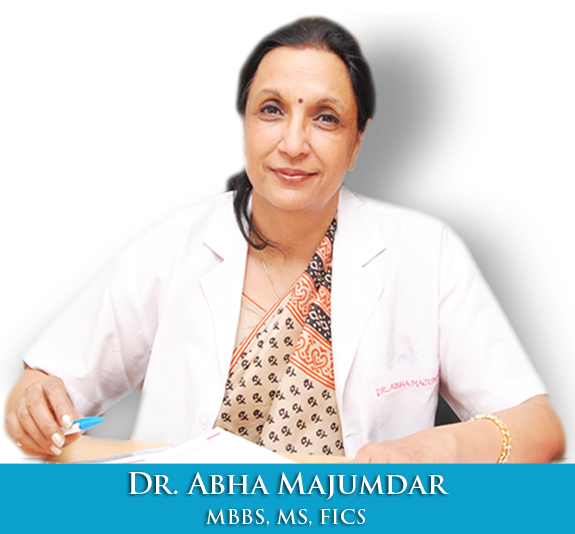
Advanced, compassionate, and globally recognized care under the direction of international IVF pioneer Prof. (Dr.) Abha Majumdar and her expert clinical team.

Hormonal Disorders, PCOS & Ovulatory Dysfunction

If your periods are irregular, delayed, or if you are facing difficulties conceiving due to hormonal imbalances—please remember that you are not alone. Prof. (Dr.) Abha Majumdar and her expert team provide gentle, highly effective, and personalized care to guide you safely toward a successful pregnancy.

Understanding Menstruation & Hormonal Imbalances

Polycystic Ovary Syndrome (PCOS / PMOS)

PCOS is a very common condition where a minor hormonal imbalance disturbs your normal monthly cycle. Because of this imbalance, the ovaries struggle to mature and release a healthy egg on time. Instead, multiple small, harmless, fluid-filled nests (follicles) form inside the ovaries.

Everyday Symptoms: This usually leads to late or skipped periods. Patients may also experience stubborn acne, unexpected weight gain, or fine facial hair growth. With simple medical adjustments and lifestyle guidance, PCOS can be easily managed.

Period Problems in Young Girls (Adolescent Concerns)

When a young girl gets her very first period (menarche), it is completely normal for her cycles to be a bit unpredictable for the first year or two while her body grows. However, if patterns continue past this phase, an early check-up is important to protect her future well-being.

When to Seek Guidance: You should consult a specialist if a young girl has not started her periods by age 16-17, if her periods which were regular suddenly stop for more than two months, if she experiences severe menstrual pain, or if her bleeding regularly last longer than 7 to 8 days or the bleeding does not stop.

What is PMOS?

PMOS and PCOS are the exact same medical condition. In May 2026, a landmark consensus published in The Lancet officially renamed Polycystic Ovary Syndrome (PCOS) to Polyendocrine Metabolic Ovarian Syndrome (PMOS). The update was established by 56 global health organizations to fix a decades-long misnomer that caused delayed diagnoses and fragmented patient care.

Why the Name Was Changed:
  • The Inaccuracy of “Cysts”: The old name, PCOS, implied that a person must have ovarian cysts to have the condition. In reality, many women with the disorder never develop cysts. Furthermore, the fluid-filled sacs seen on ultrasounds are actually tiny, underdeveloped follicles, not pathological cysts.
  • A Whole-Body Focus: PCOS historically framed the condition as a narrow gynaecological or fertility issue. The new name, PMOS, shifts the clinical focus toward a multi-system endocrine and metabolic disorder which explicitly recognizes core dysfunctions like insulin resistance, weight gain, and type 2 diabetes risks.

Other Complex Endocrine Conditions

  • Prolactin & Thyroid Imbalances: Our thyroid gland and pituitary gland act as controllers for your monthly cycles. If your thyroid levels are slightly too low or too high, or if a hormone called Prolactin rises higher than normal, it creates a temporary barrier that stops your eggs from releasing. This can put a pause on your periods and delay your pregnancy plans. Fortunately, both conditions respond beautifully to simple, daily oral tablets.
  • Hypogonadotropic Hypogonadism: This is a specialized hormonal condition where the natural signals from the brain fail to prompt the ovaries to mature eggs, meaning periods do not start on their own. This can be treated very successfully using routine hormone therapies.
  • Congenital Adrenal Hyperplasia (CAH): This is a metabolic shift present from birth that causes the body to produce excess natural male hormones, which can be balanced with targeted daily care.

Your Diagnostic Road Map: Simple, Clear Testing

Simple & Painless Blood Panels

  • AMH, FSH, & LH and estradiol (E2) Check: To evaluate your overall egg wellness and baseline fertility.
  • Thyroid & Prolactin Levels: To rule out any hormonal conditions that might be delaying or impacting proper ovulation.
  • Metabolic & Blood Sugar Assessment: To understand how your body processes energy, helping us manage PCOS-related weight shifts effectively.

Advanced Comfort-First Scans

  • Trans-vaginal or trans-abdominal Ultrasound (TVS): A gentle, highly detailed scan of the pelvic structures used to check the structural health of your pelvic structures such as uterus and ovaries.
  • Antral Follicle Count (AFC): An easy visual check to see exactly how many healthy follicles are ready to develop this month.
  • Uterine Lining Assessment: Measuring the inner thickness of the womb to ensure it provides a warm, receptive home for a developing embryo.

Your Step-by-Step Pathway to Pregnancy

1. Targeted Testing  ➔  2. Balancing Hormones & Weight  ➔  3. Encouraging Egg Growth  ➔  4. Real-Time Scan Monitoring  ➔  5. A Safe, Healthy Pregnancy

How We Help You Conceive: Our Care Pathways

  • Step 1: Balancing Your Body’s System: We always start by stabilizing your metabolic health by lifestyle changes regarding your diet and exercise. Using safe, highly effective medications alongside personalized dietary choices, we address insulin resistance and bring thyroid or prolactin levels back to a perfect balance.
  • Step 2: Gentle Ovarian Stimulation (Ovulation Induction): If your eggs are not maturing naturally, we introduce precise, gentle medications or customized hormone injections. These act as a gentle nudge to help your ovaries mature a high-quality egg.
  • Step 3: Tracking Your Growth (Follicular Monitoring): As your treatment progresses, we perform brief, routine ultrasounds to watch your follicles grow in real time. This removes all guesswork, allowing us to pinpoint the exact day your egg is ready to be released (OVULATION) while keeping your cycle safe.
  • Step 4: Your Path to Conception (Natural, IUI, or IVF):
    • Timed Natural Planning & IUI: Once the egg is perfectly mature, we guide you on the ideal days to try naturally, or perform a simple Intrauterine Insemination (IUI)—where healthy, washed sperm is placed directly inside the womb at the perfect time.
    • Advanced IVF / ICSI: If other treatments have not worked or if your case is long-standing, In Vitro Fertilization (IVF) offers a highly successful alternative. Eggs are gently collected, fertilized in our advanced embryology lab, and the resulting healthy embryo is transferred back into a perfectly prepared womb.

Fallopian Tube Blockages & Pelvic Adhesions

If you have been diagnosed with blocked fallopian tubes or internal pelvic scar tissue—please remember that successful motherhood is still fully within your reach. Prof. (Dr.) Abha Majumdar and her expert clinical team provide advanced reproductive surgeries and personalized IVF protocols to safely help you bypass these structural blockages.

How Tubal Damage and Scar Tissue Cause Infertility

What is a Fallopian Tube Blockage? The fallopian tubes are two delicate, narrow pathways where the egg and sperm naturally meet for fertilization. A tubal blockage (tubal occlusion) creates a physical barrier that stops sperm from reaching the egg or prevents a fertilized egg from travelling safely down into the uterus. While it can sometimes be performed intentionally as a sterilization procedure (tubal ligation), blockages often occur involuntarily due to underlying diseases, leading to fertility delays.

  • Hydrosalpinx (Fluid Accumulation): This occurs when complete blockage causes the end of the tube to swell and fill with an unhealthy clear fluid. This fluid can leak backward into the womb, acting like a hostile wash that hinders an embryo from attaching to the uterine lining. Addressing a hydrosalpinx is vital to protecting your future pregnancy success. However, all hydrosalpinx do not require to be treated and may not interfere in conception.
  • Pelvic Adhesions (Internal Scar Tissue): Pelvic adhesions are thin, web-like bands of scar tissue that can cause ones pelvic organs—like our ovaries, uterus, and fallopian tubes—to abnormally stick together. These internal knots restrict the natural, gentle movement our fallopian tubes need to safely pick up a mature egg when we ovulate.

What Causes These Issues? Involuntary tubal blocks and adhesions typically develop due to pelvic inflammatory disease (PID), infections like salpingitis or pelvic peritonitis, advanced endometriosis, abdominal-pelvic tuberculosis, previous abdominal surgeries (like an appendix removal).

Diagnosing Tubal Health Correctly

  • Hysterosalpingography (HSG): A specialized, routine X-ray where a radio-opaque dye/fluid is gently guided through your cervix into the uterus to visually confirm if on a radiographic screen your pathways between cervix, uterus and tubes are open.
  • Sono-salpingography (SSG): An ultrasound alternative that uses sterile saline fluid to inspect tubal functionality with comfort and zero radiation.
  • Diagnostic Laparoscopy: This method is the gold standard to clear doubts in tubal patency or to correct certain pathologies seen on ultrasound which need correction. This is a keyhole visual evaluation using a tiny camera under anaesthesia. This allows us to see exactly where your blockages or pelvic adhesions are located and helps to clear them.
  • Hysteroscopy: Checking the inside of our uterine cavity to make sure the entry points to your fallopian tubes are completely free from obstructions.

Our Surgical and Laboratory Solutions: Tailored for You

Approach A: Reconstructive Tubal & Pelvic Surgery

If your fallopian tubes are structurally sound outside of the blockage, micro-surgical or laparoscopic reconstruction performed by specialized gynecologic reproductive surgeons can help restore your natural fertility, allowing you to conceive naturally afterward.

  • Tubal Anastomosis: Meticulously removing the blocked or scarred mid-segment of the tube and reconnecting the remaining healthy, open ends.
  • Salpingostomy: Creating a clean new opening near the outer (fimbrial) end to correct distal blockages caused by old PID or endometriosis.
  • Cornual catheterisation: In these cases the end of the tube which is attached to the uterus is found closed on conventional investigation like X rays (HSG) or ultrasound (SSG). We pass a fine catheter through a hysteroscope into this part of the tubal end to open it up.

Approach B: Bypassing the Tubes Completely via IVF

When our fallopian tubes are severely damaged, heavily scarred, or blocked on both sides, attempting surgical repair may not be fruitful or increase risks of ectopic or tubal pregnancy. In Vitro Fertilization (IVF) serves as an exceptionally reliable solution because it replaces the need of the fallopian tubes entirely for fertilization.

  • How IVF Bypasses the Block: Eggs are directly taken out via an ultrasound guided needle which is passed trans-vaginally into the ovaries. All the eggs are sucked out and collected in the laboratory in test tubes straight from our ovaries, completely skipping the fallopian tubes. They are safely fertilized with our partner’s sperm in the embryology laboratory and grown into full blown embryos of day 5 or 6.
  • Safe Embryo Transfer: The resulting healthy embryo is placed directly inside the prepared womb with good chances of a successful pregnancy.
  • Pre-IVF Tubal Management (Salpingectomy / Clipping): If a severe, fluid-filled hydrosalpinx is present, performing a laparoscopic clipping or removal of the damaged tube before an embryo transfer is highly recommended. This stops harmful fluids from leaking into the uterus, significantly raising our final pregnancy success rates.

Uterine Fibroids, Polyps & Cavity Reconstruction

For an embryo to plant securely and grow into a healthy baby, the inner layer of your womb (the uterine cavity) must be entirely smooth, spacious, and free of obstructions. Prof. (Dr.) Abha Majumdar utilizes state-of-the-art diagnostic mapping by 3D Ultrasound and hysteroscopic reconstructive procedures to restore your womb’s natural shape, helping into successful pregnancies.

Understanding Structural Barriers Inside the Womb

What is Uterine Cavity Reconstruction? The uterine cavity is the inner biological layer of the uterus designed to implant, feed and protect your baby during pregnancy for 9 months. If this room is misshapen or crowded by abnormal tissue growths, embryos cannot attach properly, resulting in implantation failure or repeated early miscarriages. Cavity Reconstruction involves advanced, scarless procedures to clean, widen, and smoothen this inner space, ensuring optimal blood flow and structural support.

Uterine Fibroids: Symptoms & Types
Fibroids (rasoli) are benign muscular growths that can alter the womb’s structure depending on where they develop:

  • Submucosal Fibroids: These grow right beneath the inner lining and bulge directly into the open cavity. Even small submucosal fibroids can act like a physical barrier to an embryo implantation needed for successful pregnancy and on the other hand presence of these fibroids sometimes cause heavy, irregular, and painful menstrual cycles.
  • Intramural & Subserosal Fibroids: These grow inside the thick muscular walls or on the outer surface of the womb. If they grow very large, they warp the blood supply and compress the inner room from the outside, preventing natural growth.

Endometrial Polyps & Asherman’s Syndrome (Scar Tissue)

  • Endometrial Polyps: Small, fragile, teardrop-shaped tissue growths arising from the inner lining. They create localized biochemical changes that act like a subtle barrier to natural fertilization or safe embryo nesting.
  • Intrauterine Adhesions (Asherman’s Syndrome): Thick bands of internal scar tissue that glue the walls of the womb together. This frequently happens after past pelvic infections—such as Genital Tuberculosis or aggressive previous uterine scraping following miscarriages, or hysteroscopic surgeries like removal of large myomas causing the inner room to shrink significantly.
  • Uterine Septum: A birth variation where a congenital wall of tissue divides the womb into 2 halves. Because this partition lacks a rich blood supply, embryos that attach to it cannot thrive, often leading to repeated miscarriages.

Mapping Your Womb’s Interior

Direct Visual Mapping

  • Diagnostic Hysteroscopy: Passing a microscopic camera gently through the natural path into the womb for a direct, high-definition look at your cavity’s lining.
  • 3D/4D Transvaginal Ultrasound: Creating an accurate 3-dimensional map to verify the outer wall thickness and confirm if a septum is present.

Fluid Contrast Analysis

  • SIS (Saline Infusion Sonography): Introducing a sterile saline fluid to temporarily expand the walls during an ultrasound, making hidden polyps show up clearly.
  • HSG Dye Testing: Checking if large fibroids or scar tissue are compressing the narrow openings that lead to your fallopian tubes.

2D or 3D Ultrasound / Hysteroscopy  ➔  Locating Growths, Walls or Scar Tissue  ➔  Scarless Natural-Path Correction hysteroscopically  ➔  Rebuilding a Clean, Healthy Womb Room

Advanced Reproductive Solutions & Cavity Reconstruction

  • Approach A: Incisionless Hysteroscopic Clearing (Through the Natural Path)
    For structural boundaries located completely inside the inner room (Polyps, Submucosal Fibroids, Septum, or Asherman’s scar bands), we perform precise treatments with no skin incisions, or stitches, generally as day care surgery.

    • Hysteroscopic Polypectomy & Myomectomy: Using specialized micro-instruments via the camera guide, the polyp or protruding fibroid is cleanly shaved away down to its base, flattening the inner wall instantly.
    • Hysteroscopic Septum Resection: The congenital tissue partition dividing the womb is carefully cut down the center, instantly merging two restricted halves into one large, beautifully shaped cavity.
    • Adhesiolysis & Endometrial Activation: Glued scar tissue walls are gently separated. To ensure the delicate lining heals into a thick, plush bed rather than scarring back together, we apply advanced localized therapies, including hormones to stimulate healthy tissue growth. In resistant cases of adhesions where scar tissue redevelops every time We attempt to separate it stem cell therapy has been found to be most effective way to recreate the cavity of the uterus. This is Generally done under research setting.
  • Approach B: Advanced Laparoscopic Myomectomy (For Large Deep-Muscle Fibroids)
    When fibroids are large or buried deep inside the main muscular wall of the womb (Intramural Fibroids), affecting the shape of the endometrial cavity from the outside, a precise keyhole approach is used called laparoscopic removal of fibroids.

    • Precision Keyhole Extraction: Operating through three tiny points on the abdomen, bulky fibroids are safely isolated and removed while completely preserving all surrounding healthy uterine tissue layers.
    • Multi-Layer Reconstructive Suturing: Dr. Abha Majumdar meticulously sews the muscle wall back together in multiple sturdy layers. This ensures the uterus retains maximum structural integrity, allowing it to stretch completely safely during a future full-term pregnancy.

Endometriosis & Complex Pelvic Pathology

Living with endometriosis can be physically exhausting and emotionally overwhelming, especially when it disrupts your plans for a family. Prof. (Dr.) Abha Majumdar provides a deeply empathetic, world-class approach to navigating these complex pelvic environments through a balance of precision micro-surgeries and highly specialized IVF protocols.

What is Endometriosis & Complex Pelvic Anatomy?

How Endometriosis Alters Fertility: Endometriosis is a condition where tissue similar to the inner lining of our womb begins to grow in places outside of it—most commonly on our ovaries, fallopian tubes, and pelvic walls. Every month, this displaced tissue responds to our regular hormonal cycle by breaking down and bleeding internally. Because this blood has no way to escape our body, it triggers chronic inflammation, dense internal scars where all the internal organs which move such as intestine, omentum (The curtain like layer attached to intestines all across), fallopian tubes, all get stuck to each other and to the uterus, sometimes making the condition where no structure can be separated from each other and is known as frozen pelvis. In such cases a pregnancy does not occur due to complete mechanical obstruction for the egg to enter the tube. Even mild endometriosis can lead to and localized inflammatory changes that can compromise egg quality and interfere with fertilization.

Key Forms of Complex Pelvic Pathology:

  • Chocolate Cysts (Ovarian Endometriomas): When endometrial tissue grows deep inside an ovary, old blood collects over time, turning into a thick, brown chocolate like fluid. These cysts can reduce our ovarian egg reserve and create hostile conditions for developing eggs.
  • Adenomyosis: A condition similar to endometriosis but different in a way where the lining of the uterine cavity grows directly into the thick muscular wall of the womb making large collections of blood and tissue into it. This causes the uterus to become enlarged, tender, and less receptive to holding a transferred embryo.
  • Frozen Pelvis (Severe Stage IV Endometriosis): In advanced cases, intense internal scarring acts like a rigid glue, locking the ovaries, womb, bladder, and bowel tightly together. This distorts our anatomy completely, making it impossible for the fallopian tubes to naturally capture an egg.

Our Precision Assessment Blueprint

  • Expert Specialized Ultrasound: High-definition transvaginal imaging to track clear structural signs of adenomyosis or identify classic ground-glass chocolate cysts.
  • Pelvic MRI Protocol: Used in deep or complex cases to map out exact tissue deposits hidden behind the womb before planning any physical intervention.
  • AMH Blood Testing: A crucial check to understand your baseline egg reserve before considering surgical options.
  • 3D Laparoscopic Inspection: The absolute gold standard to definitively stage your condition (Stage I through Stage IV) and assess structural mobility.

1. Symptom & AMH Assessment  ➔  2. Deep Mapping (Ultrasound/MRI)  ➔  3. Medical options to reduce disease only if conception not desired immediately  ➔  4. Surgery important if the cyst are very large, or the woman is in a lot of pain, or the diagnosis of endometriotic cyst in doubt  ➔  5. IVF is the only non-surgical option where one can go directly for IVF  ➔  6. If a pregnancy happens, the cyst does not harm the growing pregnancy and within the 9 months of no ovulation and menstruation the cyst generally resolves on its own.

Specialized Solutions: Balancing Surgery and IVF

  • Approach A: Advanced Laparoscopic Excision & Pelvic Restoration
    When chronic pelvic pain is severe or large chocolate cysts are actively threatening your health, precise keyhole surgery can help restore your body’s natural comfort and anatomy.

    • Disease Excision vs. Burning: Dr. Abha Majumdar practices meticulous excision of the cyst wall physically cutting away the roots of the deep endometrial tissue patches rather than simply burning the surface. This significantly reduces the chances of recurrence of the cyst.
    • Ovarian-Sparing Cystectomy: Removing a chocolate cyst, the outer capsule is gently peeled away using micro-instruments. Extreme care is taken to fully protect the surrounding healthy ovarian tissue, keeping your precious egg reserve intact.
    • Anatomical Adhesiolysis: Carefully separating glued organs to restore healthy movement to your fallopian tubes and pelvic structures.
  • Approach B: Advanced IVF Protocols for Endometriosis
    If your primary goal is building a family and your egg reserve is limited, avoiding repetitive surgeries and moving directly to In Vitro Fertilization (IVF) is often the safest, most effective path to success.

    • Bypassing Pelvic Inflammation: IVF completely bypasses the toxic pelvic environment and blocked fallopian tubes. Eggs are safely collected directly from the ovaries and fertilized in a controlled laboratory environment.
    • Hhormonal Down-Regulation (The “Cooling Down” Phase): Before an embryo is transferred into the womb, we often utilize specialized medical protocols (such as GnRH analogue down-regulation) for 1 to 2 months. This temporarily suppresses endometriosis and adenomyosis, “cooling down” internal inflammation so your womb becomes highly welcoming for the embryo.
    • DuoStim & Ultra-Short Protocols: For individuals whose egg reserves have been lowered by chocolate cysts, we utilize advanced back-to-back collection cycles to accumulate healthy embryos efficiently. We are probably one of the first centre in the country who have started collecting eggs twice in one single menstrual cycle For women with very low egg reserve due to ovarian disease.

Understanding Low / Diminished Egg Reserve (LOR/DOR) & Early Ovarian Aging (POF)

Learning that your egg count is lower than expected can be deeply overwhelming, but it is not the end of your parenting dreams. Prof. (Dr.) Abha Majumdar and her specialized team at Sir Ganga Ram Hospital use advanced protocols to help women with low reserves attain successful, healthy pregnancies.

What Happens When Ovarian Reserves Drop Early?

  • LOW/Diminished Ovarian Reserve (LOR/DOR): Every woman is born with a finite, lifelong bank of eggs. Low Ovarian Reserve means that the remaining number of healthy eggs inside your ovaries has dropped faster than normal for your current age. While this naturally makes it take longer to conceive on your own, remember: it only takes one high-quality egg to achieve a healthy baby.

    Common Signs: DOR rarely has obvious symptoms. It is usually discovered when periods begin shortening (e.g., changing from a 28-day cycle to a 24-day cycle) or when couples encounter unexpected delays while trying to get pregnant.
  • Premature Ovarian Failure (POF / POI): Premature Ovarian Failure occurs when a woman’s ovaries put an early pause on their routine function before she reaches the age of 40. When this happens, the ovaries stop releasing eggs regularly and lower their production of vital reproductive hormones like estrogen.

    Understanding the Impact: This condition can cause periods to become highly unpredictable or completely vanish for months at a time. It may also bring on early menopausal discomforts such as sudden hot flashes, night sweats, mood shifts, or unprovoked fatigue.

Evaluating Your Ovarian Health Correctly

Simple Biomarker Blood Tests

  • AMH (Anti-Müllerian Hormone): The foundational test that reflects the size of your remaining egg bank.
  • FSH & Estradiol (Day 2/3 Test): Done at the very start of your period to check how hard your brain signals are working to wake up your ovaries.

Targeted Diagnostic Scans

  • Antral Follicle Count (AFC): An ultrasound evaluation performed during your period to visually count the active egg-bearing nests available that month.
  • Ovarian Volume Measurement: Assessing the physical size of the ovaries, which naturally helps confirm your overall reserve status.

Your Strategic Path Forward

1. Precise AMH & AFC Testing  ➔  2. Quality Improvement Therapies  ➔  3. Repeated Ovarian Stimulation  ➔  4. Advanced Lab Fertilization  ➔  5. Receptive Embryo Transfer

Our Treatment Approaches for Low Reserve & Ovarian Failure

  • Approach A: Using Your Own Eggs (For Diminished Ovarian Reserve – DOR)
    If tests show you have a low egg reserve but are still developing active follicles, our target is to maximize the quality and collection of your remaining eggs before your biological timeline shrinks further.

    • Step 1: Priming & Quality Enhancement: Before starting a cycle, we utilize targeted pre-treatment therapies so as to enable us to grow all possible eggs when we simulate the ovarian cycle.
    • Step 2: Customized DUOSTIM Protocols: In Dr. Abha Majumdar’s opinion, giving conventional doses of the gonadotropin (drug used to stimulate egg production from ovary), to these women will bring about growth of all possible egg containing follicles compared to milder stimulation protocols where one gets only 1 or 2 eggs with need to repeat IVF cycles many times. Conventional stimulation may lead to higher number of eggs with possibly lesser cycles. Dr. Majumdar prefers to use full dose of gonadotropins to optimise the number of eggs within limited cycles to generate enough blastocyst to lead to live birth. Continuing to stimulate again after 5 days of egg retrieval in the same menstrual cycle has the possibility of giving us higher number of eggs in the second stimulation in 70% of cases.
    • Step 3: Embryo Accumulation (Embryo Banking): For cases with very low ovarian reserve, we can fertilize eggs over two or three cycles to make good day 3 or 5/6 embryos. We securely bank these embryos in our state-of-the-art laboratory, allowing us to select the absolute strongest embryo for transfer.
  • Approach B: Compassionate Donor Egg use for Premature Ovarian Failure – (POF)
    When the ovaries have completely ceased natural functioning before age 40, or if multiple custom cycles indicate your own egg quality is no longer viable, a donor egg offers the highest and safest chance of carrying a healthy baby.

    • Step 1: Meticulous Selection & Screening: We coordinate with healthy, young, fully screened donors routed from the egg donor bank (even if you bring your own known donor) to provide optimal egg health. Your privacy, confidentiality, and comfort are stringently protected throughout this process.
    • Step 2: Embryo preparation and storage: The donor egg is fertilized with your partner’s sperm in our embryology lab and stored by vitrification.
    • Step 3: Uterine Synchronization and motherhood: While the donor embryos are prepared, we put you on oral medicines to grow and thicken your uterine lining, mimicking a natural cycle. The resulting healthy embryo is transferred into your receptive womb, allowing you to experience the beautiful journey of pregnancy, biological bonding, and delivery.

Frequently Asked Questions (Clear Answers For You)

Can I still become a mother if I have been diagnosed with PCOS?

Yes, absolutely! PCOS simply means your eggs need a little medical assistance to mature and release on a regular schedule. With proper hormonal balancing, lifestyle changes, and simple ovulation medications, the vast majority of women with PCOS conceive very successfully.

Why does PCOS cause facial hair growth or unexpected acne breakouts?

When your ovaries encounter a monthly ovulation delay, your body can produce slightly higher levels of natural male hormones (androgens). This is what triggers acne or fine hair growth. Once we balance your hormones with daily therapy, these symptoms naturally fade away.

What is the difference between Primary and Secondary Amenorrhea?

Primary Amenorrhea means a young girl has reached the age of 16 or 17 and has not yet experienced her very first period. Secondary Amenorrhea occurs when a woman who previously had normal periods experiences an abrupt stop in her cycle for more than 3 consecutive months or for six or more months in those with previously irregular periods. Both are easy to treat once the root hormonal cause is identified.

Can a minor shift in my thyroid levels cause a miscarriage?

Yes, sometimes mild shifts in thyroid hormones can increase the risk of miscarriage. “Subclinical hypothyroidism” (slightly elevated TSH with normal T4) are established risk factors for early miscarriage. Balancing your thyroid with a simple daily tablet before conceiving ensures a safe and secure environment for your baby.

When is the right time to seek help from a fertility specialist?

We recommend scheduling a consultation if your periods are highly irregular or skipped completely, if you experience debilitating monthly pelvic pain, or facing continuous bleeding or spotting over weeks. Furthermore, you may need help if you have been trying to conceive naturally for over a year or for 6 months if you are over the age of 35, without success.

What are the most common symptoms of a blocked fallopian tube?

Tubal blockages typically have no visible or physical symptoms. Most women experience normal monthly cycles and feel completely healthy, only discovering the blockage during a formal infertility check-up or when facing an unexpected ectopic pregnancy.

Can I still get pregnant if only one fallopian tube is blocked?

Yes. If you have one open, structurally healthy tube and your ovaries are ovulating normally on that side, natural conception or simple options like IUI remain completely possible. If both tubes are blocked, corrective surgery or IVF will be needed.

Does a tubal blockage increase my risk of an ectopic pregnancy?

Yes. If a tube is partially blocked or structurally scarred, a fertilized egg which is called embryo can become physically trapped inside the narrow pathway instead of reaching the womb. This causes a dangerous tubal (ectopic) pregnancy. This is why evaluating your tubal health safely before conceiving is so critical.

Is IVF better than reconstructive tubal surgery?

It depends entirely on your specific body. Reconstructive surgery allows you the chance to conceive naturally multiple times afterward. However, if the tubal damage is severe or widespread, IVF is generally considered the faster, safer, and more successful option because it completely bypasses the fallopian tubes.

Can minor tubal blocks be flushed out during a diagnostic scan?

Yes, occasionally, for some women with tiny mucus plugs or very minor loose debris within the pathways, the gentle pressure applied during an HSG or SSG fluid dye test can naturally clear out the tube, leading to a slight increase in natural conception immediately following the test.

Can a small uterine polyp really cause fertility delays or early miscarriages?

Sometimes, even a small polyp of under 1 cm can cause micro-inflammation within the lining, preventing an embryo from embedding securely. Removing a polyp is a brief, comfortable 15-minute natural-path procedure that significantly increases natural and IVF success rates. However, research has shown that very small polyps of less than a centimetres can sometimes be left alone and conception does happen.

Will I need a hysterectomy (womb removal) if I am diagnosed with multiple fibroids?

Absolutely not. For women wishing to build a family, a hysterectomy should not be performed for fibroids. Dr. Abha Majumdar specializes in fertility-sparing Myomectomy, where only the fibroids are carefully removed while your uterus is left fully intact and beautifully reconstructed.

How does Genital Tuberculosis (TB) affect the uterine cavity?

Genital TB can attack the inner lining of the womb, causing severe inflammation that leads to heavy scar tissue (Asherman’s Syndrome). This causes the walls of the womb to stick together, closing up the cavity. Through hysteroscopic adhesiolysis and targeted healing treatments, we can reopen and reconstruct the cavity room. However, in advanced cases of post tuberculosis adhesions sometimes it may be very difficult to reconstruct the uterine cavity and then surrogacy becomes the only method for conception.

What is the recovery time after a hysteroscopic cavity reconstruction?

Because hysteroscopic procedures utilize your body’s natural pathways without any cuts or incisions on your skin, recovery is exceptionally fast. Most patients walk home comfortably within 3 to 4 hours of the procedure and can resume routine daily activities the very next morning.

How long must I wait to conceive after a fibroid removal surgery?

For simple hysteroscopic polyp or inner fibroid clearing, you can safely plan to conceive or start an IVF transfer within 1 to 2 normal menstrual periods. For deeper, large-muscle laparoscopic surgeries, we recommend giving the uterine wall 3 to 4 months to heal into maximum structural strength before carrying a baby.

Does having endometriosis mean I will definitely face infertility?

No, not at all. While endometriosis can make conceiving more challenging due to internal inflammation or scar tissue, many women with mild forms of the condition conceive naturally. For moderate to severe cases, timely medical care, reproductive surgery, or tailored IVF protocols provide exceptionally high pregnancy success rates.

Should I have my chocolate cyst surgically removed before starting an IVF cycle?

In most modern fertility frameworks, surgeries are approached with great caution. Removing a cyst can sometimes inadvertently remove healthy ovarian tissue, lowering your egg reserve (AMH). Dr. Abha Majumdar generally recommends leaving cysts under 4 cm alone during IVF egg collection, prioritizing surgery only if the cyst is very large, causing severe pain, or blocking safe access to your follicles.

What is the difference between endometriosis and adenomyosis?

Endometriosis involves tissue growing outside the womb on areas like the ovaries or pelvic walls. Adenomyosis occurs when that same type of tissue grows deep inside the muscular wall of the uterus itself, making the womb thick, swollen, and harder for an embryo to attach to successfully.

Why do my periods feel so intensely painful with this condition?

Because the displaced tissue deposits inside your pelvis bleeds silently along with your monthly period, the trapped blood has no outlet. This causes localized swelling, intense cramping, and irritation to neighbouring nerves, leading to severe pain during periods, ovulation, or intercourse.

Can lifestyle changes help manage the progression of endometriosis?

While lifestyle adjustments cannot cure structural scar tissue or remove existing cysts, adopting a nutrient-rich anti-inflammatory diet (reducing processed sugars, red meat, and gluten) paired with regular low-impact exercise can help lower internal inflammatory markers and ease daily symptom discomfort.

Can I get pregnant naturally if my AMH level is low?

Yes, natural pregnancy is still possible with low AMH, provided you are ovulating regularly or even intermittently and your fallopian tubes are healthy. AMH measures egg quantity, not quality. However, because a low AMH means your timeline is shorter, consulting a specialist early helps you map out a safe, proactive path.

What is the difference between Premature Ovarian Failure (POF) and early menopause?

Early menopause means your periods stop permanently before age 45, and the ovaries do not restart. With Premature Ovarian Failure (POF), the ovaries are underperforming but haven’t completely shut down forever. Women with POF can still have occasional, unpredictable periods and even conceive with the right clinical support.

Does a low egg reserve affect the health of the baby?

A lower egg count does not mean your baby will have health issues. A baby’s development depends on the quality of the single egg and sperm that create the embryo. Our focus is purely on choosing and cultivating the highest quality eggs available in your reserve.

How do I know if a Donor Egg program is right for me?

If multiple IVF cycles using your own eggs haven’t succeeded due to quality limitations, or if POF has fully depleted your available follicles, a donor egg is often the most successful and rewarding choice. Dr. Abha Majumdar provides gentle, confidential counselling with the help of her team to help you and your partner make the most comfortable decision for your family’s future.



Sir Ganga Ram Hospital

Rajendra Nagar
New Delhi, India-110060.

Email: ivfsgrh@gmail.com

Genesis Clinic

F-431, New Rajendra Nagar,
Landmark: Shankar Road Main Market, New Delhi -110060
For Appointment Only
011-45011438 (9 AM – 4 PM)
+91-9810821594, 8375990881
Emergency Inquiry Only
+91 8375990881

+91-9958076534 (4 PM – 9 PM)
+91-8447320605
Email: abhamajumdar@hotmail.com

Contact Us


    Located