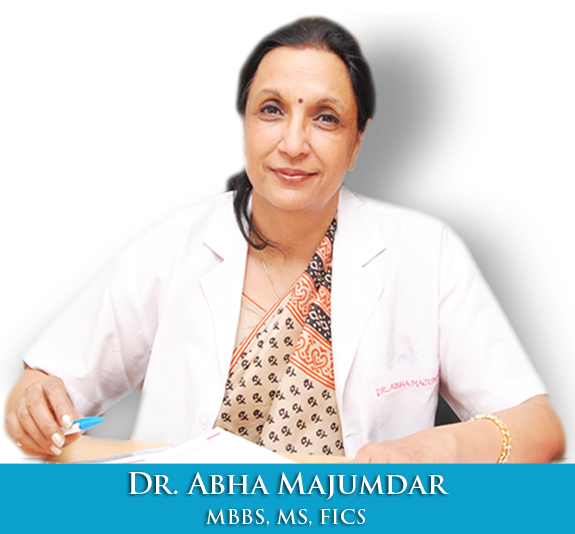
What is an ectopic pregnancy? Can I take any measures to reduce my risk? —MK, 31
An ectopic pregnancy is a complication of pregnancy where a newly-formed baby (embryo) gets implanted outside the uterus. About 1 to 3% of all pregnancies are ectopic in location and of these 98% occur in the fallopian tubes. Apart from the fallopian tube, ectopic pregnancy can also occur in the cervix, ovaries and abdomen. An embryo implanted in places other than the uterus can cause great tissue damage in its effort to get sufficient supply of blood for its growth. It needs to be terminated immediately to prevent serious haemorrhage in the woman.
What leads to an ectopic pregnancy?
Hair-like cilia located on the internal surface of the fallo – pian tubes are responsible for carrying the fertilised egg to the uterus. This in normal circumstances takes four to five days after ovulation (release of the egg). Any factor which stops this transport results in the live embryo being retained in the tube where it may start growing to form an ectopic pregnancy. The risk factors predisposing a woman to an ectopic pregnancy are fallopian tubal damage caused by pelvic inflammatory disease, chronic pelvic infections and following tubal reconstructive surgeries. In certain women fallopian tube cilia are genetically fewer in number, predisposing them to recurrent ectopic pregnancies. However, in as many as one third to one half, no risk factor can be identified. Previous history of ectopic pregnancy increases the risk of future ectopic pregnancy to about 10% due to damage to the inner lining of the tube.
What safety measures can you take?
To ensure a safer pregnancy following an ectopic one (where the tube has been retained), it is better to conceive in the menstrual cycle where a woman ovulates from the ovary situated on the side of the non-affected tube. For this, sometimes an ultrasound can be used to detect which of the ovaries is releasing the egg. One can try for the next pregnancy soon after resumption of normal menstrual cycle. However, once pregnant, do confirm the site of the pregnancy within a week or 10 days of the missed period to ensure that the embryo has implanted in the uterus. If both the tubes are unhealthy, it may be wiser to resort to IVF where the chances of ectopic pregnancy are lowest.
While going through normal delivery, the baby travels through the birth canal (cervix and vagina) to eventually come out into this world through the introitus (entrance of the vagina). During childbirth, all these structures are stretched extensively to allow the baby to pass through. As the birth canal dilates to accommodate the baby, the structures around it—the bladder and rectum, for example—are also stretched by being pushed outwards. The weight of the baby along with strenuous pushing weakens the pelvic-floor muscles, which support the internal organs. When this happens, the bladder, uterus, or bowel or all three can shift from their normal positions. Besides this, the skin between the vagina and anus gets bruised and might tear or be cut (episiotomy) by the doctor to allow the baby out. An episiotomy or vaginal tear might hurt for a few weeks. Extensive tears might take longer to heal.
The most common vaginal symptoms and discomfort a new mum may feel include:
Tackling Incontinence
Pregnancy and birth stretch the connective tissue at the base of the bladder and can cause nerve and muscle damage to the bladder or urethra. This might cause leaking of urine on coughing, straining or laughing (also known as stress incontinence). Fortunately, this problem usually improves within 3 months. In the meantime, do Kegel exercises to strengthen the pelvic floor muscles. Tighten pelvic muscles as if stopping the stream of urine. Initially the muscles don’t appear to move but it is important to go on trying and they will start working. (It’s no differ ent from training your abs or biceps—you want to make your pelvic muscles taut.) Try it for 5 seconds at a time, 4 or 5 times in a row. Work up to keep the muscles contracted for 10 seconds at a time, relaxing for 10 seconds between contractions. Aim for as many sets of 10 repetitions a day at any time during the day, for instance while watching TV or chatting with friends on the phone.
Enjoying Sex Life
Sexual intercourse can be resumed as soon as one desires it and it is comfortable. If delivery causes tearing, or if an episiotomy is done, sexual intercourse should be delayed until the affected area heals to avoid pain. Using Kegel’s exercise while having sex may help make it more enjoyable for both partners especially in the initial phase after child birth, when the vagina is still lax.
In recent years, there has been growing concern regarding the adverse effects of various environmental contaminants and stress on human reproduction. Industrialization, urbanization and rapid economic development have drastically changed the lifestyle and surroundings of humans. Many potentially hazardous chemicals are being released into the environment at an alarming rate, which may negatively influence all aspects of human health including the reproductive system.
MECHANISM OF ACTION
The only way that environmental toxins can cause tissue damage and adversely affect various systems of the body is by direct damage to the cell membrane or its intracellular components. There are compounds which disrupt communication between different cells and if this effect is targeted at the endocrine system, then this may affect fertility and may cause reproductive dysfunction resulting in reproductive anomalies. These are often termed as endocrine disrupting chemicals (EDCs) which cannot be classified by any unique physical or chemical properties but are thought to affect reproduction by their ability to mimic, stimulate, antagonize, alter or displace the effects of endogenous natural hormones.1 Specifically, endocrine disrupters can mimic or antagonize the actions of endogenous hormones either by inducing changes in steroidogenic enzyme expression and/or their activity, or by altering the circulating steroid hormone levels.2-5 Besides the physical, chemical and biological environment which disrupts the hormonal milieu, other factors, such as behavioral and socioeconomic conditions, also have significant impact on human fertility. These possibly act on higher centers and eventually change the paracrine, autocrine and endocrine regulation of hormones affecting fertility.
ENVIRONMENT AND INFERTILITY
Environment represents the totality of physical, chemical, behavioral and socioeconomic factors that constitute the external milieu surrounding the human organism. Environment has both positive and negative influences that can affect every aspect of human health and development. Many reviews over the past few years have focused on environmental factors as possible harmful influences on fertility. The possible mechanisms by which these factors can adversely influence fertility6 can be broadly classified into three main categories:
Physical Environment
Seasonal variation in fertility has been described by several authors. However, the evidence supporting this view is not found to be conclusive enough. Photoresponsiveness though seen in some individuals is not considered to be a universal phenomenon and hence leads to inconsistent results. Some seasonality has been reported in IVF success also. In two European centers with 8,184 cycles, the lowest pregnancy rate of 25.7 percent was seen in July as compared to 35.5 percent in December. However, others observed no significant seasonal variation in IVF success rate in their analysis.
In a Danish study, male exposure to heat and female exposure to noise were associated with poor reproductive outcome. Even frequent changes in time zone as experienced by flight attendants was found to be associated with slightly increased incidence of spontaneous abortions, though the findings were not consistent. Lipscomb et al. reported increased incidence of intrauterine growth retardation (IUGR) in women working in electronics industry. However, all these studies are small and inconclusive and no significant associations can be established.
A positive IgG rubella indicates a past infection or a high titre due to immunisation and will remain positive. A positive IgM indicates a recent infection and is more important with regards to outcome of pregnancy. Your test may be positive from the past or due to recent MMR immunisation. Repeat titres at 4-6 weeks and a rise in titres by 4 fold from previous value are significant. Did you ever have fever with rash and joint pains? Don’t worry or misinterpret your reports. Ask your obstetrician to check the reports for you.
Abha Majumdar, Tejshree Singh
INTRODUCTION
Hysteroscopy is a minimally invasive intervention that can be used to diagnose and treat many intrauterine and endocervical problems. Hysteroscopic polypectomy, myomectomy, and directed endometrial biopsy are just a few of the commonly performed procedures. Given their safety and efficacy, diagnostic and operative hysteroscopy have become standards in gynecologic practice.
SURGICAL ANATOMY
Endometrial Polyps
1. Endometrial polyps are localized overgrowths of the endometrium that project into the uterine cavity. They develop because of excessive multiplication of the endometrial cells, may be hormonally dependent and increase in size depending upon estrogen levels.
2. Polyps may be sessile or pedunculated and rarely include areas of neoplastic growth. Specifically, adenomatous hyperplasia and endometrial adenocarcinomas have been reported in only 0.6% of cases of endometrial polyps.
3. They can usually be detected on an ultrasound scan on second or third post-menstrual day or in mid-cycle, when estrogen levels are maximal, and the endometrium is echogenic.
4. The prevalence of polyps is estimated to be 10 to 24% in hysterectomy samples. Endometrial polyps are rare among women younger than 20 years of age.
5. The incidence of these polyps rises steadily with increasing age, peaks in the fifth decade and then declines after menopause.
Fibroids
1. These are well-circumscribed, non-cancerous tumors arising from the myometrium of the uterus. In addition to smooth muscle, leiomyomas are also composed of extra-cellular matrix, i.e. collagen, proteoglycan, fibronectin.
2. Fibroids are the most common solid pelvic tumors in women, causing symptoms in approximately 25% of reproductive age women. The overall prevalence increases to over 70%, inclusive of asymptomatic fibroids. These are usually detected in women in their 30s and 40s and may shrink after menopause in the absence of post-menopausal estrogen replacement therapy.
3. These are classified by their location in the uterus.
A. Subserosal ones are located just under the uterine serosa and may be pedunculated or sessile.
B. Intramural fibroids are found predominantly within the myometrium but may distort the uterine cavity or cause an irregular external uterine contour.
C. Submucous fibroids are located just under the uterine mucosa and, may be either pedunculated or sessile.
4. Tumors in subserosal and intramural locations comprise the majority (95%) of all leiomyomas; submucous leiomyomas make up the remaining 5%.
5. Although this classification scheme is widely used by clinicians, it suffers from the limitation that few leiomyomas are actually a single “pure” type. Most leiomyomas span more than one anatomic location and, therefore, are hybrids, e.g. a predominantly intramural leiomyomas with a submucous component.
6. Transformation of uterine leiomyomas to uterine leiomyosarcomas is extremely rare, and, in fact, many researchers and clinicians believe this type of transformation never occurs. Uterine leiomyosarcomas are found in approximately 0.1% of women with leiomyomas and are reported to be more frequently associated with large or rapidly growing fibroids.
Thickness of the Uterine Wall
Thickness of the Uterine Wall1 This knowledge allows the surgeon to manipulate the surgery on the basis of the area of the uterus where surgeon is operating. The uterus is longer and thicker in reproductive-aged women than in postmenopausal women.
PREOPERATIVE PREPARATION
Appropriate surgical management always begins with accurate history taking, physical examination, and careful workup of the suspected problem. In preparation for hysteroscopic procedures, the following considerations may be useful.
LAB STUDIES: Apart from general health tests, the following tests are required
• Blood typing and screening: With the risk of hemorrhage approaching 7-8% in some surgical hysteroscopic procedures, a sample in the blood bank increases the efficiency of access to replacement of blood products, if needed.
• Electrolyte determinations: In patients with medical disorders that predispose them to metabolic abnormalities, e.g. diuretic use, electrolytes should be tested preoperatively. Some surgeons routinely obtain baseline levels in case a significant deficit of distention medium occurs especially with a hyposmolar solution, whereas most obtain electrolyte levels intraoperatively or postoperatively only if a clinically significant fluid deficit occurs. The ultimate decision should be based on the type of case, the surgeon’s skill, the suspected fluid absorption, and the ability to accurately ascertain fluid deficits in the operating room.
• Determination of human chorionic gonadotropin (hCG) levels is mandatory in any woman of reproductive age to exclude pregnancy.
• Cervical cultures: May be taken depending on prevalence of Chlamydia and gonorrhea in the population and a wet smear for bacterial vaginosis and trichomoniasis are recommended.
• Papanicolaou test: A normal or abnormal Pap smear that has been appropriately evaluated is required because trauma to the cervix may alter the appearance of any existing abnormalities.
IMAGING STUDIES
• Ultrasound of the lower abdomen is done postmenstrually to evaluate the size and shape of the uterus, endometrial thickness, fibroids (location (Figs 1 and 2), whether distorting the uterine cavity Fig. 3) as well as endometrial polyps (Fig. 4).
• Hysterosalpingogram or sonohysterosalpingogram is used for evaluating the uterine cavity and patency of fallopian tubes. However, to selectively look at the uterine cavity, sonohysterography or saline-infused sonography and 3-D ultrasound appear to have a better predictive value than that of hysterography for determining the location and size of fibroids and endometrial polyps (Fig. 5).
• CT scan or MRI: These are not usually needed unless the findings on ultrasound are inconclusive.
ANTIBIOTIC PROPHYLAXIS
Prophylactic antibiotics are not indicated unless the patient has clinically significant cardiac disease or a history of tubal occlusion due to pelvic inflammatory disease.
DIFFICULTIES
Cervical Stenosis
In patients with known cervical stenosis or tortuous cervical canals, preoperative vaginal or oral misoprostol, or intraoperative vasopressin 1% administered paracervically may be used to assist in cervical dilation.
Large Uterus
A uterus longer than 10 cm makes the case difficult, because the length of the hysteroscope is typically 35 cm and it must traverse the length of the uterus, cervix, and vagina while maintaining a position outside the introitus with enough distance to attach the camera and manipulate the fluid inflow-outflow valves and the surgical instruments. Also, maintaining intrauterine pressures in large cavities is more difficult than with small cavities.
ABSTRACT
OBJECTIVES: The objective of the study is to evaluate the efficacy of gonadotropin releasing hormone (GnRH) antagonist in improving clinical pregnancy rate in gonadotropin stimulated intrauterine insemination (IUI) cycles in patients of unexplained infertility. STUDY DESIGN: This was a prospective, randomized case–controlled study. SETTINGS: The study was conducted in the infertility clinic of a tertiary care center. MATERIALS AND METHODS: Four hundred twenty seven women undergoing IUI following controlled ovarian stimulation with gonadotropins (recombinant follicle stimulating hormone [r FSH] 75 IU/day) were randomly divided into two groups. Women in Group I received GnRH antagonist (Cetrorelix 0.25 mg/day) in a multiple dose flexible protocol. Women in Group II received r FSH alone. Ovulatory trigger was given with human chorionic gonadotropin 5000 IU when dominant follicle was ≥18 mm. IUI was performed within 44–48 h. Both groups received similar luteal phase support. Primary outcome measure was clinical pregnancy rate. The trial was powered to detect an absolute increase in clinical pregnancy rate by 13% from an assumed 20% clinical pregnancy rate in the control group, with an alpha error level of 0.05 and a beta error level of 0.20. RESULTS: Clinical pregnancy rate in Groups I and II was 27.6% (n = 56) and 26.5% (n = 54), respectively (P=0.800). Ongoing pregnancy and multiple pregnancy rates were likewise similar between the groups. CONCLUSIONS: Addition of GnRH antagonist to gonadotropin stimulated IUI cycles results in no significant difference in clinical pregnancy rate.
INTRODUCTION
Unexplained infertility contributes to about 10–30% of subfertility, depending on diagnostic criteria. Intrauterine insemination (IUI) combined with controlled ovarian stimulation (COS) has been established as a first-line treatment for couples with unexplained infertility. The rationale of COS and IUI is to increase the number of available female and male gametes at the site of fertilization by achieving two to three dominant follicles, followed by a perfectly timed insemination. The use of IUI with COS in a well selected group of patients with unexplained infertility results in comparable cumulative pregnancy rate when compared to in vitro fertilization (IVF) and hence appears more cost effective.
To increase the chances of success in terms of pregnancy rate in COS IUI cycles, various therapeutic approaches have been tried by various researchers, such as different ovarian stimulation protocols, double insemination, and prevention of premature luteinizing hormone (LH) surge. According to the Cochrane review on ovarian stimulation protocols for IUI in the women with subfertility, use of gonadotropins for COS in IUI results in higher pregnancy rate than clomiphene citrate-stimulated cycles (odds ratio [OR] 1.8, 95% confidence interval [CI] 1.2–2.7). A recent meta-analysis clearly indicated that double insemination does not result in higher clinical pregnancy rate compared with single IUI in couples with unexplained infertility. Double insemination has been suggested by researchers because of the hypothesis that capacitated sperms in the inseminate are active for only 2–3 h, so they may not be able to back up ovulation which takes place in between the next 20 and 24 h. However, it appears that precise timing of insemination in relation to ovulation so as to enable active sperms to reach and fertilize the oocyte should obviate the need for double insemination.
Premature LH surge is defined as the surge that precedes the triggering of ovulation iatrogenically. Prospective data have shown that premature LH surge occurs in almost 23% of COS cycles (95% CI 22–43%), which appears quite significant and can interfere with the optimal timing of the insemination. LH surge can be effectively prevented by administering a gonadotropin releasing hormone (GnRH) agonist or GnRH antagonist. Use of GnRH agonist is not recommended in IUI cycles because of prolonged administration of injections prior to and during stimulation to achieve complete downregulation of GnRH receptors, risk of excessive follicular stimulation, and higher cost and inconvenience to the patient.
On the other hand, GnRH antagonist competitively blocks the GnRH receptors and immediately causes pituitary suppression, thereby reduces LH and follicle-stimulating hormone (FSH) secretion within 2–4 h. The efficacy of GnRH antagonist in prevention of premature LH surge is well-established.[17,18] The inhibitory effect of GnRH antagonist is reversible, dose-dependent and is associated with the equilibrium between endogenous GnRH and GnRH antagonist concentration. Cetrorelix (Cetrotide, EMD Serono) and Ganirelix (Antagon, Organon) are the two GnRH antagonists available for clinical use.
The protocols of GnRH antagonist administration in COS IUI cycles are well defined; however; the flexible regimen is the one which is used commonly in mild stimulation cycles.
ABSTRACT
AIMS: To study the prevalence of clinical manifestations in obese and lean polycystic ovarian syndrome (PCOS) women and their health hazards. SETTINGS AND DESIGN: This prospective study was carried out in a tertiary care infertility clinic from 1.7.2005 till 31.12.2007. MATERIALS AND METHODS: These women were diagnosed to have PCOS by the European Society of Human Reproduction and Embryology and the American Society of Reproductive Medicine, Rotterdam 2003 criteria. They were further divided into two groups according to their body mass index (BMI): Group A (n = 300), overweight and obese with BMI >23 and Group B (n = 150), normal weight and lean with BMI ≤23. STASTICAL ANALYSIS AND RESULTS: The prevalence of menstrual irregularities [79.2% vs. 44%, P= 0.000, 95% confidence interval (CI) = 0.26ñ0.44)] and clinical hyperandrogenism (74.2% vs. 50.6%, P= 0.000, 95% CI=0.14ñ0.32) was signifi cantly higher in the obese group, whereas android central obesity (waist to hip ratio >0.85) was similar in both groups, irrespective of body weight (47.7% vs. 38%, P= 0.056, 95% CI=0.06 to +0.18). Comparative data of various health manifestations in lean vs. obese women with POCS [Table 4]. Of the health risk manifestations, hypertension occurred in both groups with a similar frequency (41% vs. 35.5%, P= 0.261, 95% CI=0.03 to +0.15). Group A showed an increased prevalence of IGT (25% vs. 10%, P= 0.000, 95% CI= 0.13ñ0.29) and type two diabetes mellitus (11.7% vs. 6%, P= 0.000, 95% CI= 0.13ñ0.29) as compared with group B. endometrial hyperplasia (EH) also showed an increase prevalence in Group A compared with Group B (5.6% vs. 2%, P= 0.055, 95% CI= 0.01ñ0.08), although not statistically significant. CONCLUSION: PCOS emerges as a clinically heterogeneous condition with increased prevalence of health risks such as hypertension, diabetes and EH. Of these, diabetes and EH appear to be more prevalent in the obese, putting them at a greater risk of morbid problems at a much younger age than the lean ones.
INTRODUCTION
Polycystic ovarian syndrome (PCOS) aff ects four to 12% women of reproductive age.[1] In 1935, Stein and Leventhal fi rst described the association of polycystic ovaries, amenorrhea, hirsutism, and obesity. The key features necessary for the diagnosis of PCOS were detailed at a conference convened by the National Institute of Health in 1990 and they were menstrual dysfunction and hyperandrogenism, with exclusion of other causes of hyperandrogenism (congenital adrenal hyperplasia, androgen-secreting tumors, and hyperprolactinemia). Probable criteria included perimenarchal onset, insulin resistance, elevated leutenizing hormone to follicle-stimulating hormone ratio and polycystic ovaries by ultrasonography (USG). PCOS was redefi ned at a joint consensus meeting of the European Society of Human Reproduction and Embryology (ESHRE) and the American Society of Reproductive Medicine (ASRM), held in Rott erdam in May 2003. This included the presence of two of the following three criteria: (a) oligo and/or anovulation, (b) polycystic ovaries on USG and (c) hyperandrogenism (clinical and/or biochemical), with the exclusion of other etiologies. The morphology of the polycystic ovary has been redefi ned as an ovary with 12 or more follicles measuring 2ñ9 mm in diameter and/or increased ovarian volume (more than 10 cm3 ).[2]
Recent insights into the pathophysiology of PCOS have shown that insulin resistance is a key feature and predisposes to type two diabetes mellitus in the long run. Higher levels of plasminogen activator inhibitor (PAI) type one, decreased vascular relaxation and endothelial dysfunction.
result in increased risk of hypertension and coronary artery disease. Chronic anovulation leads to a higher risk of developing endometrial hyperplasias (EHs), with or without cytological atypia as a sequel to unopposed estrogen exposure in the absence of progesterone.[1]
The aim of this study was to study the prevalence of clinical manifestations and health risks in obese and lean PCOS women; primarily, impaired glucose tolerance (IGT) and diabetes, menstrual irregularity, and clinical hyperandrogenism and, secondarily, EH, android obesity and hypertension.
With the advancement of science and technology and investigations, you may find clues and answers to most of your problems. In this day and age, due to a stressful lifestyle, a problem that some of the couples face is Infertility.
Before opting for the process it is imperative that you gather as much information and knowledge about it.
So here is a list of seven pointers that you must know before going for infertility treatment
To know more please visit www.parentsoffertility.com