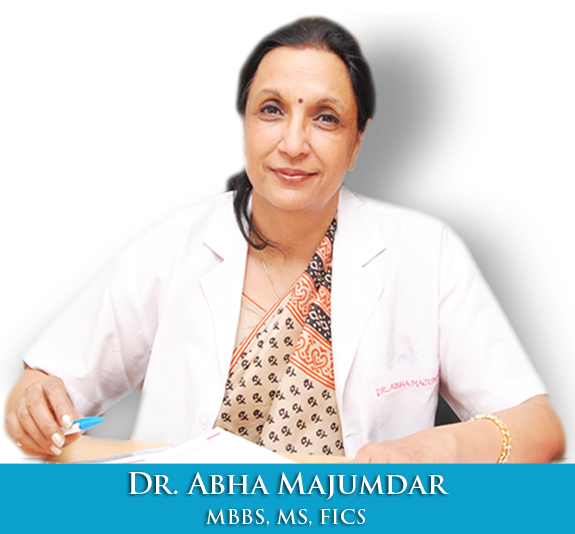
Nearly half of all structural fertility delays are tied beautifully to the male factor, yet it remains one of the least discussed aspects of family planning. Prof. (Dr.) Abha Majumdar and her specialized clinical team provide an atmosphere of absolute comfort, scientific clarity, and advanced laboratory systems to address semen variations and sexual health successfully.
A standard semen evaluation looks closely at three major pillars: **Count** (the number of sperm present), **Motility** (how effectively they swim forward), and **Morphology** (their physical shape and structure). Minor deviations in these levels are highly common and can be optimized through targeted clinical care.
• Oligozoospermia: A variation where the overall sperm concentration is lower than standard counts.
• Asthenozoospermia: A condition where sperm movement or swimming speed is reduced, making it harder for them to traverse the natural path to the egg.
• Teratozoospermia: A term indicating a higher percentage of sperm possess irregular shapes, which can impact their natural ability to bind with and fertilize an egg safely.
Note: When a sample shows variations across all three metrics concurrently, it is clinically termed OAT Syndrome (Oligo-Astheno-Teratozoospermia).
Finding a zero sperm count in an initial semen report can feel shocking, but it is a highly treatable condition. It is fundamentally divided into two clear biological paths:
• Obstructive Azoospermia (OA): The factory (testicles) is producing perfectly healthy, robust sperm, but a physical block or old scar tissue along the exit tubes stops them from mixing into the semen sample.
• Non-Obstructive Azoospermia (NOA): There is no structural block, but the internal production line is running slowly due to underlying hormonal shifts or genetic factors, resulting in very few sperm being released.
Difficulties with sexual performance or natural sample collection are common and completely manageable. These conditions usually stem from a mix of minor circulatory shifts, hormonal changes, stress, or performance anxiety during a fertility journey. Addressing these issues openly ensures a much smoother and stress-free path to conception.
• Erectile Dysfunction (ED): A challenge in achieving or holding a firm erection suitable for natural intercourse. This often responds incredibly well to simple, targeted circulatory supports or short-term medical guidance.
• Premature or Delayed Ejaculation: Shifts in timings that can make tracking your partner’s fertile window stressful or logistically difficult.
• Retrograde Ejaculation: A unique, harmless biological variation where the semen flows backward into the bladder during climax instead of exiting forward. This typically occurs due to minor nerve changes or past medical conditions, and healthy sperm can still be safely harvested directly from a urine sample for use in treatments.
• Hormonal & Lifestyle Therapy: Tailored antioxidant and hormonal regimens to dramatically lower elevated DNA fragmentation levels and improve baseline sperm counts over a 90-day cycle.
• ICSI & MACS (Magnetic Activated Cell Sorting): When sperm counts or motility are exceptionally low, we utilize ICSI (Intra-Cytoplasmic Sperm Injection), where a single, high-quality sperm is selected under extreme magnification and guided straight into the egg. For samples with high stress markers, **MACS technology** uses a gentle magnetic field to automatically separate damaged sperm from healthy, top-tier ones.
If zero sperm are found in your standard semen samples, Dr. Abha Majumdar’s dedicated andrology unit utilizes highly specialized, comfortable micro-retrieval techniques to collect healthy sperm directly from the source:
• PESA / TESA: A brief, completely painless procedure performed under comfortable local sedation. A microscopic needle is guided gently to collect fresh sperm directly from the epididymis or testicular tissue.
• Micro-TESE (Microscopic Testicular Sperm Extraction): For complex non-obstructive azoospermia, an advanced operating microscope is used to scan and pinpoint the exact, healthy tissue channels where sperm are being produced. This allows us to extract viable sperm even in cases of severe production delays.
Yes, absolutely. Because the body takes roughly 74 to 90 days to generate a fresh batch of sperm, adopting healthy lifestyle changes can yield significant improvements. Minimizing smoking and alcohol, avoiding excessive heat exposure (like saunas or keeping laptops directly on your lap), reducing stress, and taking targeted antioxidant supplements can noticeably enhance baseline semen parameters.
A varicocele is an enlargement of the veins inside the scrotum, similar to varicose veins in the legs. This condition can elevate the temperature around the testicles, which can occasionally lower sperm production and increase DNA fragmentation. Surgery isn’t always necessary; intervention is typically recommended only if it is causing notable pain, a marked decrease in sperm quality, or ongoing fertility delays.
Yes, thanks to modern advanced andrology, it is highly possible. If you have obstructive azoospermia, healthy sperm are still being actively produced and can be easily collected via simple procedures like PESA or TESA. Even in non-obstructive cases, micro-TESE procedures allow us to locate hidden pockets of healthy sperm to use successfully in an ICSI cycle.
The intense scheduling demands of a fertility journey (such as tracking exact ovulation windows) can create performance anxiety, occasionally leading to temporary erectile dysfunction or delayed ejaculation. This is entirely normal. Recognizing this connection early, utilizing comfortable home-collection options, or storing a backup frozen sample at our clinic can remove this pressure entirely.
A standard semen analysis only assesses sperm numbers, movement, and outer shapes. A DFI test goes a step deeper to check the structural integrity of the genetic material carried inside the sperm head. A high DFI score means there is significant genetic wear and tear, which can contribute to unexplained fertilization issues or early miscarriages, even if the outward sperm shape looks completely normal.