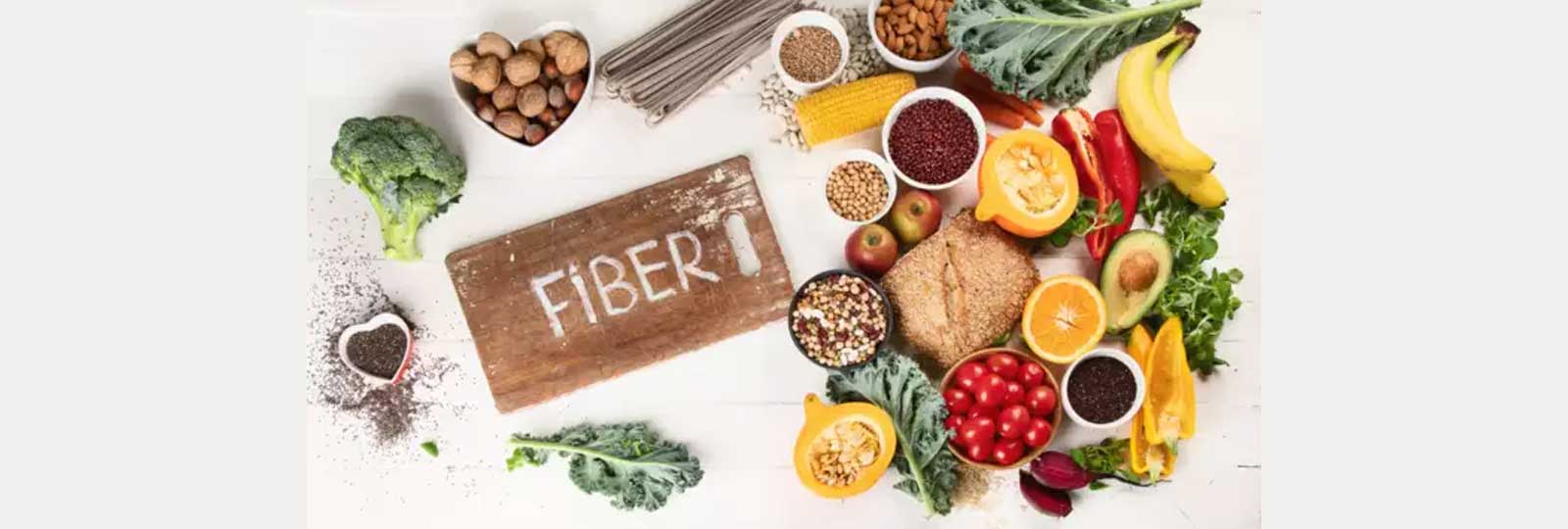
A high-fibre diet is fundamental to systemic health at any phase of life, but its clinical significance increases dramatically during gestation. One of the primary focal points of an optimized diet during pregnancy is a structured, incremental escalation in your daily intake of natural dietary fibres.
Increasing your intake of plant-derived fibres directly mitigates gestational constipation—one of the most prevalent gastrointestinal symptoms experienced during pregnancy. Furthermore, a high-fibre diet prevents excessive gestational weight gain, supports cardiovascular pathways, regulates maternal blood glucose fluctuations, and establishes a balanced microbiome environment that supports long-term maternal and fetal health markers.
📋 Clinical Target: Maternal health guidelines recommend consuming a baseline of 25 to 30 grams of dietary fibre every day, coupled with consistent hydration to facilitate optimal peristalsis through the digestive tract.
1. Whole Grains
Whole grains serve as an excellent vehicle to achieve maternal fibre indexes safely. They are exceptionally well tolerated by expectant mothers managing early morning sickness, nausea, or severe gastroesophageal reflux disease (GERD). Top grains to include are:
- Oats: A premium source of insoluble fibers that promote gastrointestinal transit while extending satiety markers to maintain consistent metabolic energy levels. Oats are also naturally packed with zinc, magnesium, and essential folic acid to protect early neural development.
- Brown Rice: Rich in complex soluble structures that ease gastrointestinal symptoms. Unpolished brown rice retains vital B vitamins, iron, riboflavin, niacin, thiamine, and vitamin D required for bone and tissue growth, making it a superior choice over polished varieties.
- Quinoa: Highly valued for its complex carbohydrate chains and rich amino acid complete protein profile. Its robust fibre content lowers risk markers for chronic gestational metabolic conditions while providing long-lasting stamina.
2. Legumes and Pulses
Beans and pulses offer highly concentrated plant proteins along with robust fibre profiles. They can easily be incorporated into diverse recipes for mothers with changing food preferences during pregnancy:
- Lentils (Dals): A cornerstone of traditional nutrition, lentils supply abundant natural folate to prevent neural tube defects (NTDs) and lower the risk of gestational diabetes mellitus (GDM). Their protein content helps stabilize blood sugars and soothe early nausea.
- Chickpeas: Exceptionally dense in complex fibres, calcium, non-heme iron, and folate. Chickpeas can be enjoyed as roasted snacks, fresh hummus dips, or boiled additions to salads.
- Black Beans / Kidney Beans: Packed with fermentable prebiotics that nourish beneficial gut bacteria and slow glucose absorption into the bloodstream. These beans also provide vital calcium and proteins to support fetal skeletal frameworks.
3. High-Fibre Fruits
Fresh fruits provide an abundant supply of water-soluble fibres, vitamins, and antioxidants while naturally addressing sweet cravings without causing unhealthy glycemic spikes:
- Apples: Loaded with soluble pectins that regularize bowel movements and trap excess cholesterol. Their antioxidant profile shields fetal tissues from oxidative stress.
- Pears: Exceptionally high in natural pectin arrays to relieve slow bowel transit. Pears also contain potassium, which helps regulate and maintain stable maternal blood pressure levels.
- Berries (Blueberries, Strawberries, Raspberries): Packed with anthocyanin antioxidants and high fibre concentrations per serving, making them perfect additions to morning oats or smoothies.
- Oranges: A dual-asset fruit offering high structural folate and Vitamin C to substantially maximize dietary iron absorption from plant sources.
- Indian Gooseberry (Amla): A potent source of insoluble fibre structures and concentrated Vitamin C to support maternal immune health and relieve severe constipation.
- Guava: Rich in insoluble plant fibres that promote healthy digestive patterns and cultivate a resilient maternal microbiome.
4. Nutrient-Dense Vegetables
Consuming multiple servings of fresh vegetables daily delivers essential micronutrients alongside dietary fibre:
- Broccoli: A standout cruciferous vegetable rich in folate, calcium, and Vitamin C that helps defend maternal cells and tissues.
- Carrots: Loaded with beta-carotene, the crucial precursor to Vitamin A needed for fetal visual pathways and early skin cellular differentiation.
- Field Beans: Highly utilized across traditional regional cuisines, these beans provide a well-rounded combination of plant fibers, potassium, and folate.
- Drumsticks (Moringa): A highly nutritious vegetable loaded with structural fibers, bioavailable Vitamin C, and natural mineral arrays.
- Spinach: Supplies iron alongside non-digestible fibers to support vascular health and combat maternal fatigue.
- Sweet Potatoes: A nutrient-dense source of complex low-glycemic carbohydrates and beta-carotenes that provide steady, sustained physical energy.
- Green Peas: A balanced source of dietary fibre, plant protein, and folic acid to support safe fetal neurological development.
5. Nuts, Dried Fruits, and Seeds
Nuts and seeds serve as space-efficient, calorie-dense options for managing mid-day hunger pangs while maintaining high nutritional values:
- Chia Seeds: Highly mucilaginous soluble fiber powerhouses that turn into a soothing gel in the digestive tract. They are also packed with plant-based alpha-linolenic omega-3 fatty acids.
- Flaxseeds: Provide an excellent mix of lignans and dietary fibers to support balanced hormone levels and smooth elimination paths.
- Almonds: A convenient, shelf-stable snack filled with heart-healthy monounsaturated fats, protein, and dietary fibre.
- Prunes (Dried Plums): Renowned for their high sorbitol and fibre content, making them a highly reliable natural remedy for gestational constipation.
- Dates: A nutrient-dense option that provides natural iron, fibre, and essential micronutrients during later gestational phases.
- Figs: Provide a balanced profile of both soluble and insoluble plant fibers alongside potassium to help manage blood pressure.
6. Smart High-Fibre Snacks and Cereals
- Air-Popped Popcorn: A whole-grain option that provides low-calorie, high-volume fiber retention when prepared with minimal sodium and oils.
- Whole-Grain Crackers: Gentle on the stomach during periods of nausea, these pair exceptionally well with protein-rich spreads like hummus.
- Muesli and Bran Flakes: Highly effective for meeting daily fibre goals and curbing sugar cravings.
(Clinical Note: Introduce high-potency bran flakes gradually to allow your digestive tract time to adapt without gas or bloating.)
- Avocados: A unique fruit rich in dietary fibre, healthy monounsaturated fats, and vital fat-soluble vitamins that support optimal nutrient absorption.
🛡️ Medically Approved by Certified Dietitian Desk