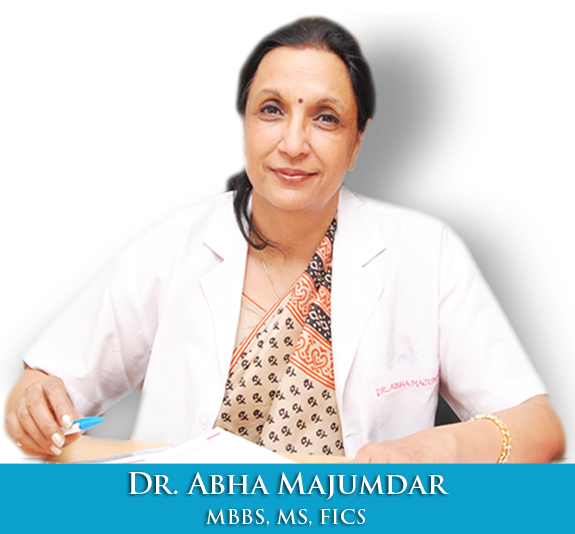
A historic milestone in regenerative medicine: Prof. (Dr.) Abha Majumdar and her clinical team achieve India’s first successful live births utilizing umbilical cord-derived mesenchymal stem cells to reverse severe uterine scarring.
A historic breakthrough in reproductive regenerative medicine has opened transformative treatment possibilities for women facing complex uterine infertility barriers. Doctors at the prestigious Sir Ganga Ram Hospital in New Delhi have reported India’s first successful live births following stem cell therapy for severe Asherman’s Syndrome. This pioneering clinical milestone offers a powerful, scientifically validated alternative to couples previously left with limited reproductive choices.
This groundbreaking clinical trial and successful delivery management protocol were directed by Prof. (Dr.) Abha Majumdar, Director and Head of the Centre of IVF and Human Reproduction. Her expert medical team successfully utilized clinical-grade umbilical cord-derived mesenchymal stem cells to repair long-standing intrauterine scar tissue and safely restore endometrial function required for a full-term pregnancy.
Asherman’s Syndrome is an intricate reproductive condition characterized by the formation of dense scar tissue (synechiae/adhesions) inside the uterine cavity. This structural damage often leads to partial or total obliteration of the uterine space. Clinically, these scarring patterns typically develop as secondary complications following invasive pelvic events:
In extensive, severe variations of this syndrome, the structural basal layer of the endometrium is entirely destroyed. Consequently, the uterine lining loses its capacity to thicken or respond to natural hormonal stimulation. Until recently, women with flat, non-responsive linings faced complete reproductive barriers, forcing them to rely exclusively on surrogacy or adoption pathways.
To overcome this absolute tissue barrier, Dr. Abha Majumdar’s clinical protocol utilized high-potency mesenchymal stem cells harvested carefully from the Wharton’s jelly of the umbilical cord. These specialized cells are globally recognized for their exceptional anti-inflammatory, immunomodulatory, and cellular regenerative capacities.
The highly detailed micro-surgical clinical sequence involves three distinct phases:
By safely targeting the core basal layer, the regenerative treatment triggers natural cellular repair networks. This process successfully restores the uterine environment’s capability to safely accept, attach, and sustain a developing embryo.
This dynamic breakthrough was achieved during a tightly controlled clinical trial monitoring ten patients diagnosed with advanced, severe forms of Asherman’s Syndrome. Out of the trial group, two patients have successfully delivered healthy babies after completing the intra-follicular tissue rejuvenation therapy:
| Patient Profile | Baseline Uterine Status | Clinical Stem Cell Outcome | Delivery Metrics |
|---|---|---|---|
| Case 1: 39-Year-Old | Severe, dense intrauterine adhesions with complete cessation of menstrual cycles. | Successful reduction of scar layers; restoration of normal tissue elasticity. | Delivered a healthy baby boy at 35 weeks, weighing 2 kg. |
| Case 2: 40-Year-Old | Recurrent pregnancy loss paired with a permanently thin, damaged endometrial track. | Marked improvement in tissue vascularity and steady endometrial thickness growth. | Delivered a healthy baby girl at 31 weeks, weighing 1.8 kg. |
Following the stem cell micro-infusion cycles, both trial participants achieved normal menstrual flows, sustained appropriate endometrial thickness metrics above critical thresholds, and experienced a massive reduction in adhesion recurrence vectors.
This therapeutic milestone demonstrates the immense clinical potential of regenerative medicine within modern fertility science. By actively reversing internal structural damage rather than simply bypassing it, stem cell protocols offer authentic hope to thousands of couples dealing with unexplained or structural uterine infertility.
As advanced global multi-center trials continue to confirm these safety and efficacy baselines, this specialized cell-infusion protocol is poised to become a core corrective option for severe intrauterine pathologies globally.
Prof. (Dr.) Abha Majumdar is widely regarded as an international pioneer in assisted reproductive technology (ART) and advanced pelvic microsurgery. As the Director and Head of the Centre of IVF and Human Reproduction at Sir Ganga Ram Hospital, she has spent decades resolving the most complex infertility cases. Notably, she was a key member of the historic medical team responsible for delivering the first successful IVF baby in North India in 1991.
Through her continuous contributions to academic clinical research and her dedication to evidence-based reproductive science, she remains committed to developing innovative treatments that turn the dream of parenthood into a reality for couples worldwide.