📺 Media Broadcast: Watch the complete clinical panel discussion aired exclusively on Zee News Network.
In a rapidly progressing global healthcare landscape, reproductive endocrinology continues to scale new heights, providing highly scalable clinical alternatives where traditional pathways face limitations. A key pillar among these modern innovations is In Vitro Fertilization (IVF)—a highly structured micro-assisted reproductive procedure that has successfully transformed millions of families worldwide.
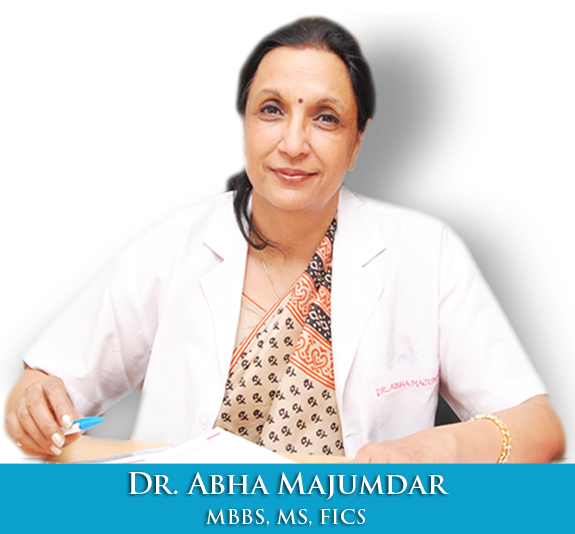
In an exclusive television interaction broadcast by Zee News, India’s foremost fertility pioneer Prof. (Dr.) Abha Majumdar, working alongside clinical reproductive expert Dr. Neeti, addressed the public to demystify advanced embryological protocols, separate facts from societal misconceptions, and outline the emotional architecture of modern fertility cycles.
Modern IVF has evolved from a misunderstood, highly restricted procedure into an accessible, highly calculated clinical sequence for couples facing complex conception blocks. As explained during the broadcast, a standard controlled cycle follows a rigid four-stage medical protocol:
A major point clarified during the interview is that post-transfer care does not require complete or absolute bed rest. Patients are fully encouraged to safely resume their normal daily tasks while maintaining a few basic, healthy lifestyle modifications.
Addressing core success variations, Dr. Neeti highlighted that maternal biological age and functional ovarian reserve (indicated via AMH testing) remain the primary baseline indicators for initial cycle outcomes. Female patients under the age of 35 typically register significantly higher success rates due to a greater reserve of chromosomally normal eggs.
However, the panel strongly emphasized that fertility is a shared journey. Paternal semen factors—including sperm count, advanced motility dynamics, and DNA fragmentation indices—critically impact blastocyst development rates. Furthermore, high systemic stress levels can negatively influence hormonal balance, making comprehensive psychological support essential for achieving optimal outcomes.
A key focus of the television discussion centered on the rising adoption of Social Egg Freezing (Oocyte Vitrification). Modern career timelines and personal milestones often prompt women to safely delay family planning. This advanced preservation technique enables women to secure their prime reproductive cells during their peak biological years for use in future transfer cycles.
Professor’s Professional Quote: Social egg freezing represents a major advancement in reproductive autonomy. It provides women with a reliable scientific tool to protect their fertility choices, effectively neutralizing the pressures of the biological clock until they feel completely ready for motherhood.
The panel highlighted that undergoing a fertility cycle involves a complete mental, physical, and financial commitment. Navigating unexpected cycle shifts or past failures requires immense resilience, clear clinical guidance, and professional counseling to protect patient well-being.
Because top-tier fertility care utilizes highly complex laboratory technologies, couples should always select established institutional centers. Partnering with trusted experts ensures complete transparency regarding diagnostic pathways, safety guidelines, and treatment costs before starting a cycle.
The core message of the broadcast focused on removing outdated societal stigmas around fertility care. As public awareness grows, advanced reproductive treatments are no longer viewed as a confidential last resort, but as a standard, scientifically validated solution to a recognized medical condition.
Both Dr. Abha Majumdar and Dr. Neeti continue to champion transparent community conversations, encouraging families to embrace modern science-backed choices to experience the beautiful journey of parenthood.