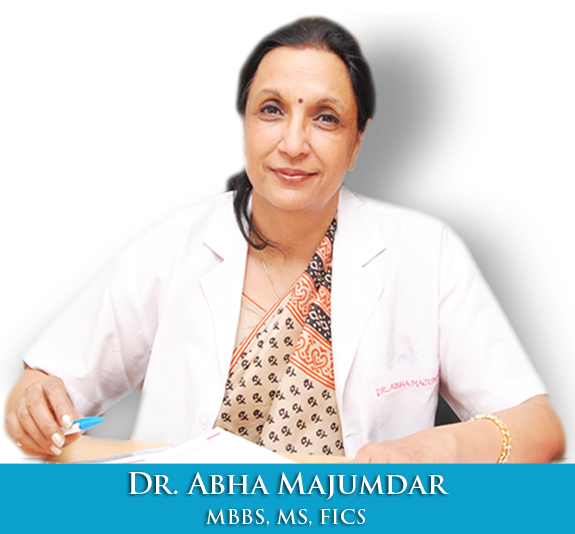
Living with endometriosis can be physically exhausting and emotionally overwhelming, especially when it disrupts your plans for a family. Prof. (Dr.) Abha Majumdar provides a deeply empathetic, world-class approach to navigating these complex pelvic environments through a balance of precision micro-surgeries and highly specialized IVF protocols.
Endometriosis is a condition where tissue similar to the inner lining of your womb begins to grow in places outside of it—most commonly on your ovaries, fallopian tubes, and pelvic walls. Every month, this displaced tissue responds to your regular hormonal cycle by breaking down and bleeding internally. Because this blood has no way to escape your body, it triggers chronic inflammation, dense internal scabs, and localized toxicity that can compromise egg quality and interfere with fertilization.
• Chocolate Cysts (Ovarian Endometriomas): When endometrial tissue grows deep inside an ovary, old blood pools over time, turning into a thick, brown fluid. These cysts can reduce your ovarian egg reserve and create hostile conditions for developing eggs.
• Adenomyosis: A sister condition where the lining tissue beds itself directly into the thick muscular wall of the womb. This causes the uterus to become enlarged, tender, and less receptive to holding a transferring embryo.
• Frozen Pelvis (Severe Stage IV Endometriosis): In advanced cases, intense internal scarring acts like a rigid glue, locking the ovaries, womb, bladder, and bowel tightly together. This distorts your anatomy completely, making it impossible for the fallopian tubes to naturally capture an egg.
When chronic pelvic pain is severe or large chocolate cysts are actively threatening your health, precise keyhole surgery can help restore your body’s natural comfort and anatomy.
• Disease Excision vs. Burning: Dr. Abha Majumdar practices meticulous *excision*—physically cutting away the roots of the deep endometrial tissue patches rather than simply burning the surface. This significantly reduces the chances of the condition returning.
• Ovarian-Sparing Cystectomy: When removing a chocolate cyst, the outer capsule is gently peeled away using micro-instruments. Extreme care is taken to fully protect the surrounding healthy ovarian tissue, keeping your precious egg reserve intact.
• Anatomical Adhesiolysis: Carefully separating glued organs to restore healthy movement to your fallopian tubes and pelvic structures.
If your primary goal is building a family and your egg reserve is limited, avoiding repetitive surgeries and moving directly to In Vitro Fertilization (IVF) is often the safest, most effective path to success.
• Bypassing Pelvic Inflammation: IVF completely bypasses the toxic pelvic environment and blocked fallopian tubes. Eggs are safely collected directly from the ovaries and fertilized in a controlled laboratory environment.
• Hormonal Down-Regulation (The “Cooling Down” Phase): Before an embryo is transferred into the womb, we often utilize specialized medical protocols (such as GnRH analog down-regulation) for 1 to 2 months. This temporarily suppresses endometriosis and adenomyosis, “cooling down” internal inflammation so your womb becomes highly welcoming for the embryo.
• DuoStim & Ultra-Short Protocols: For individuals whose egg reserves have been lowered by chocolate cysts, we utilize advanced back-to-back collection cycles to accumulate healthy embryos efficiently.
No, not at all. While endometriosis can make conceiving more challenging due to internal inflammation or scar tissue, many women with mild forms of the condition conceive naturally. For moderate to severe cases, timely medical care, reproductive surgery, or tailored IVF protocols provide exceptionally high pregnancy success rates.
In most modern fertility frameworks, surgeries are approached with great caution. Removing a cyst can sometimes inadvertently remove healthy ovarian tissue, lowering your egg reserve (AMH). Dr. Abha Majumdar generally recommends leaving cysts under 4 cm alone during IVF egg collection, prioritizing surgery only if the cyst is very large, causing severe daily pain, or blocking safe access to your follicles.
Endometriosis involves tissue growing outside the womb on areas like the ovaries or pelvic walls. Adenomyosis occurs when that same type of tissue grows deep inside the muscular wall of the uterus itself, making the womb thick, swollen, and harder for an embryo to attach to successfully.
Because the displaced tissue deposits inside your pelvis bleed silently along with your monthly period, the trapped blood has no outlet. This causes localized swelling, intense cramping, and irritation to neighboring nerves, leading to severe pain during periods, ovulation, or intercourse.
While lifestyle adjustments cannot cure structural scar tissue or remove existing cysts, adopting a nutrient-rich anti-inflammatory diet (reducing processed sugars, red meat, and gluten) paired with regular low-impact exercise can help lower internal inflammatory markers and ease daily symptom discomfort.